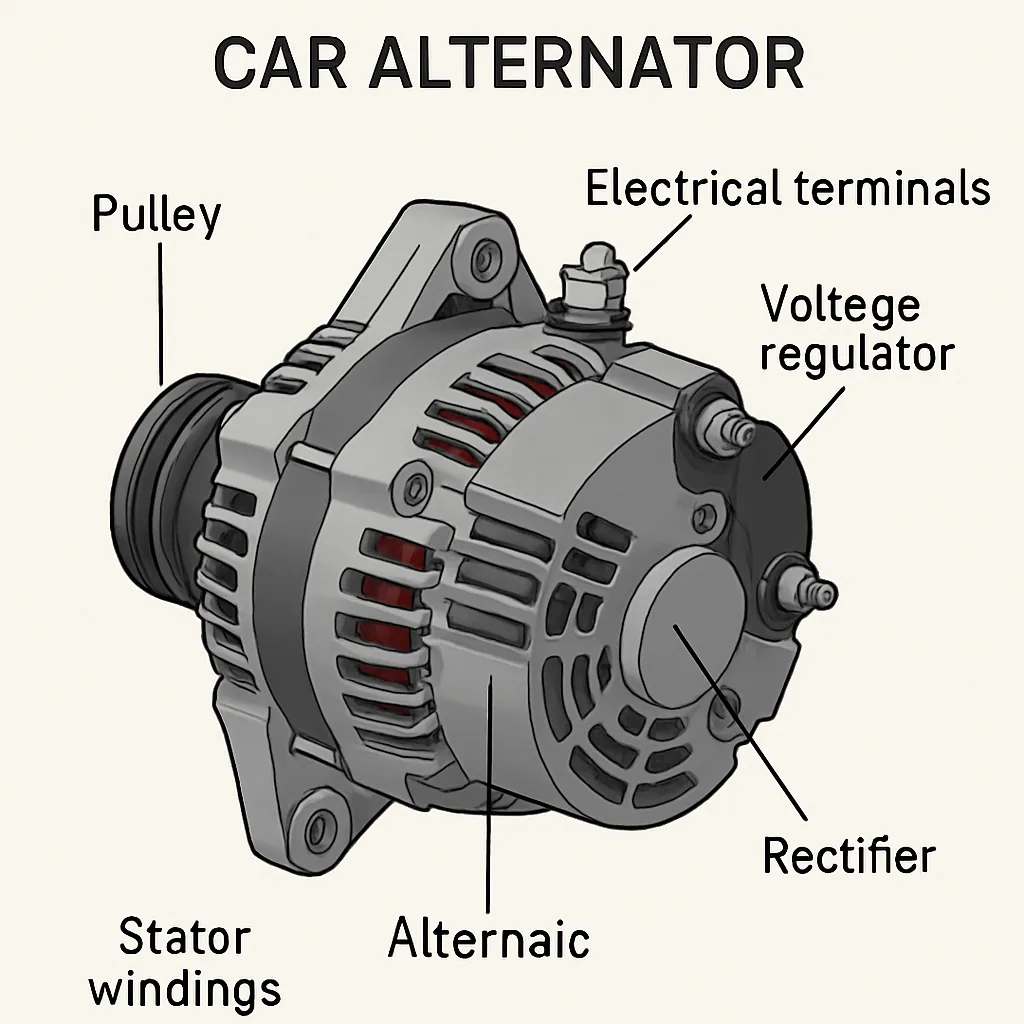
Finding a reliable alternator repair service in Chicago can be daunting. Your vehicle's alternator is crucial for its electrical system. It charges the battery and powers electrical components while the engine runs. When your alternator fails, it can lead to various car issues. Dimming headlights, electrical glitches, and a dead battery are common signs. Ignoring these symptoms can result in more costly repairs.
Choosing the right alternator repair service is essential. You need quality repairs and fair pricing. Certifications, warranties and a clear quote are key factors to consider. Alternator repair involves diagnosing the problem and replacing faulty parts. Sometimes, rebuilding the alternator is a cost-effective option. However, if the damage is severe, replacement might be necessary.
Understanding the repair process helps you make informed decisions. It also prevents unnecessary expenses. Many Chicago repair shops offer comprehensive diagnostic services. Preventive maintenance can extend your alternator's life. Regular battery checks and electrical inspections are beneficial. They help avoid unexpected breakdowns. In this guide, we'll explore everything you need to know. From choosing a repair shop to understanding the repair process, we've got you covered.
Understanding the Role of Your Alternator
The alternator is a vital component of your vehicle's electrical system. It ensures the battery stays charged and powers electrical devices while driving. Without a functioning alternator, your car’s electrical systems would fail.
Key functions of an alternator include:
- Charging the car battery when the engine is running.
- Powering electrical components, like lights and radio.
- Managing energy for vital car systems.
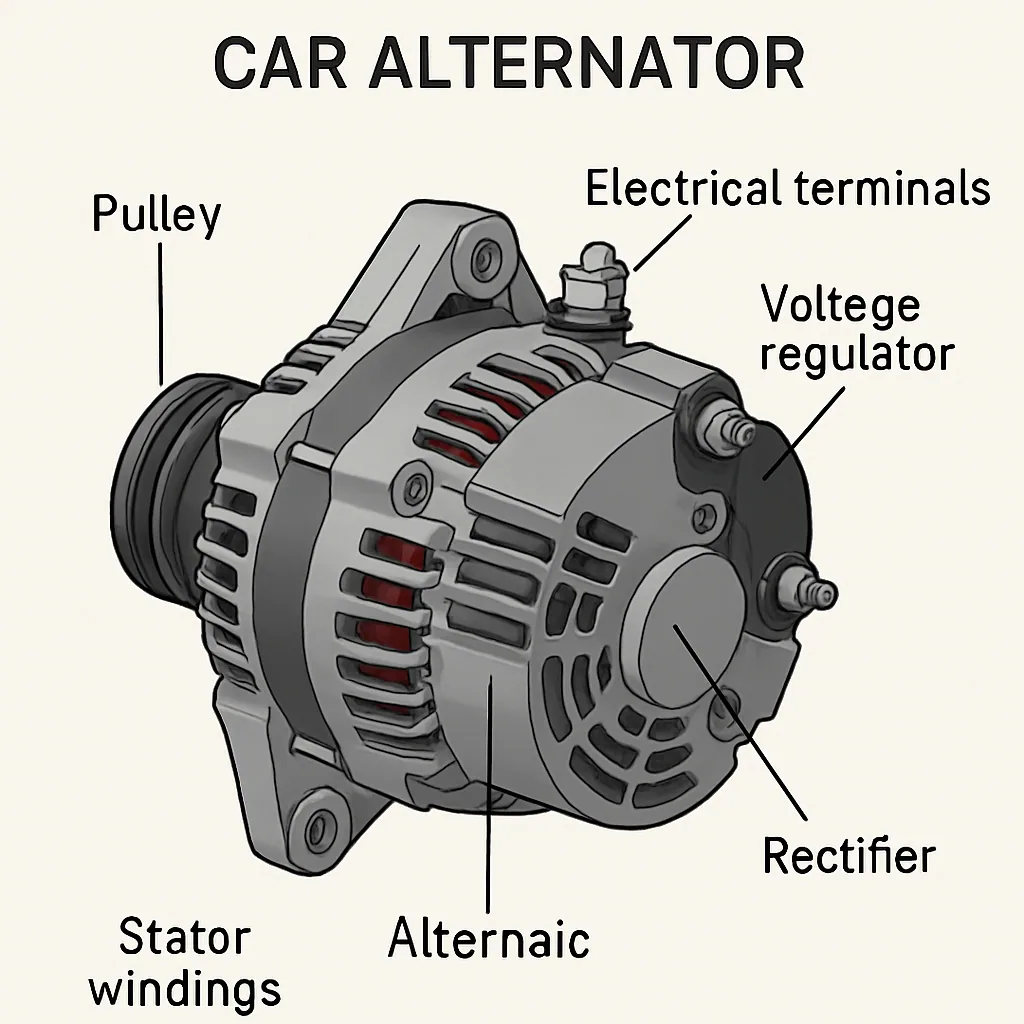
The alternator converts mechanical energy into electrical energy. It works with the engine's belt system to generate power. This power supports your vehicle’s electrical demands.
A well-functioning alternator leads to reliable vehicle performance. When the alternator is healthy, it minimizes battery drains and prevents car breakdowns. Ignoring alternator issues can result in more problems, impacting the car’s reliability. Understanding the alternator's role helps in recognizing potential issues early. Awareness is crucial for maintaining your vehicle’s health. Often, alternator problems can seem like battery issues at first glance.
Having basic knowledge empowers you to seek the right repair solutions. Talking to technicians becomes easier when you know how your alternator works. Proper knowledge aids in making informed repair decisions.
Common Signs of Alternator Problems
Recognizing alternator issues early can prevent major headaches. There are several tell-tale signs your alternator might be failing. Being aware of these symptoms can save you from unexpected car troubles. One common sign is dim or flickering headlights. These changes in light intensity often point to alternator problems. It's particularly noticeable when driving at night.
You might also notice electrical issues like malfunctioning accessories. For instance, dashboard lights or power windows could behave erratically. When these occur, it's wise to suspect the alternator first. Another sign is a dead battery that’s frequently requiring jumps. While batteries do have lifespans, repeated drains usually stem from faulty alternators. An unchecked alternator can reduce a battery's effectiveness over time.
Odd noises under the hood, such as grinding or whining, indicate mechanical faults within the alternator. These noises aren't normal and warrant immediate attention.
Look for these symptoms:
- Dimming headlights during idling.
- Frequent battery drains or failures.
- Malfunctioning car electronics.
- Strange noises from the engine area.
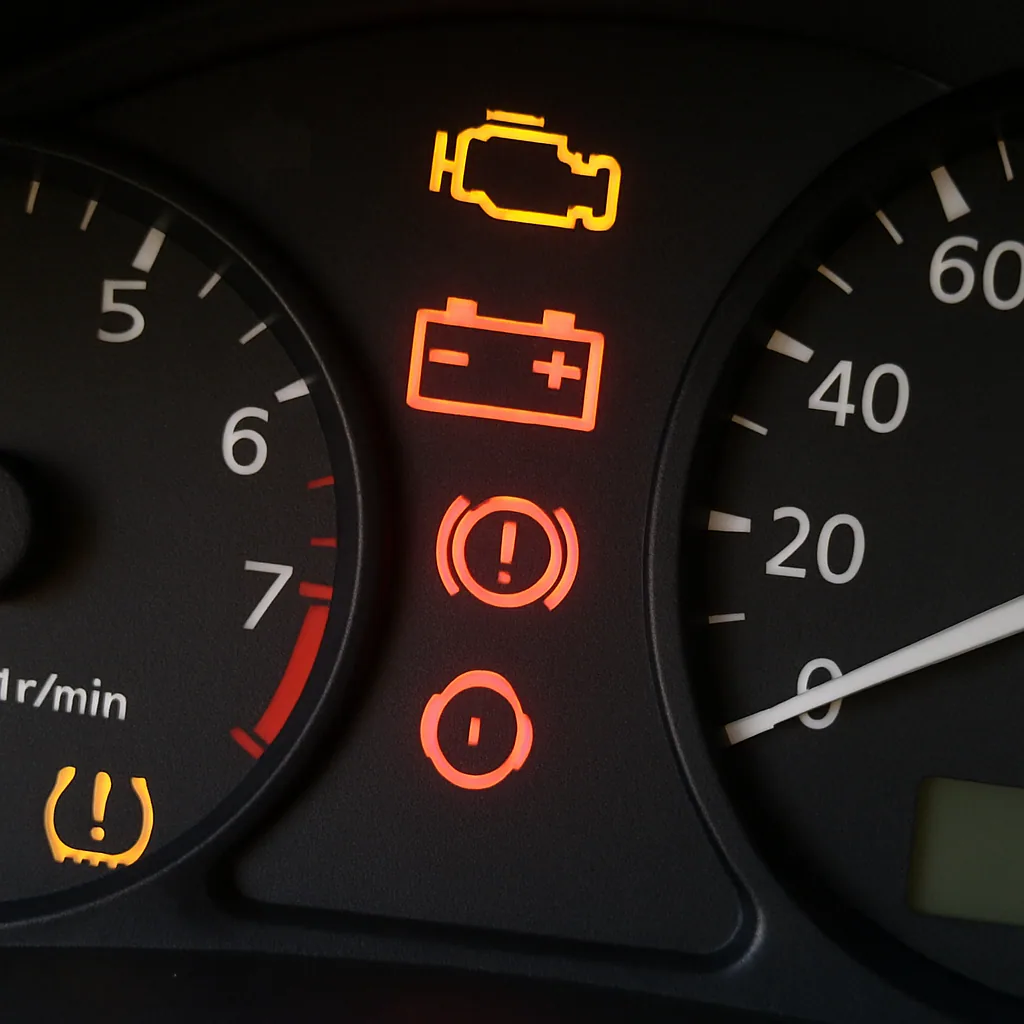
Addressing these warning signs promptly can prevent extensive damage. Take your vehicle to a professional for a thorough diagnosis. Early intervention can save you from costly repairs and ensure safe driving conditions.
Diagnosing Alternator Issues: What to Expect
When you suspect alternator issues, a professional diagnosis is crucial. Mechanics start by inspecting the electrical system. This evaluation determines whether the alternator is the root of the problem. Testing involves checking the battery voltage and charging capacity. These tests verify if the alternator is providing adequate power. An underperforming alternator won't charge the battery properly.
Apart from electrical tests, visual inspections of the alternator are conducted. Mechanics look for physical signs like worn belts or corroded connections. These can indicate the alternator needs repair or replacement. Mechanics may also use diagnostic tools for precise readings. These tools pinpoint specific issues within the alternator system. This detailed approach ensures accurate diagnosis and appropriate solutions.
Typical steps in diagnosing alternator issues include:
- Inspecting the entire electrical system.
- Testing battery charge and voltage output.
- Examining belts and connections.
- Using diagnostic tools for deeper analysis.
By understanding this process, car owners can better engage with their mechanics. An informed customer asks the right questions and makes confident decisions.
Alternator Repair vs. Replacement: Making the Right Choice
Choosing between repair and replacement depends on the alternator's condition. Both options have their advantages and considerations. Repair can be economical if the alternator's damage is minor. Replacing faulty components may restore full function. It's often quicker than installing a new alternator. However, if the alternator is beyond repair, replacement becomes necessary. A new or remanufactured unit can offer a longer lifespan and better reliability. It is the best choice for severely damaged units.
Factors influencing the decision include repair costs, alternator age, and available warranties. High repair costs might make replacement more appealing. On the other hand, newer alternators may benefit more from simple repairs.
Things to consider when deciding include:
- Extent of damage to the alternator.
- Cost differences between repair and replacement.
- Availability of warranties for parts and labor.
- The age and model of your vehicle.
Informed decisions lead to better vehicle performance. Discuss your options with a trusted mechanic. Understanding your choices ensures you invest wisely in your vehicle's health.

The Alternator Rebuild Process Explained
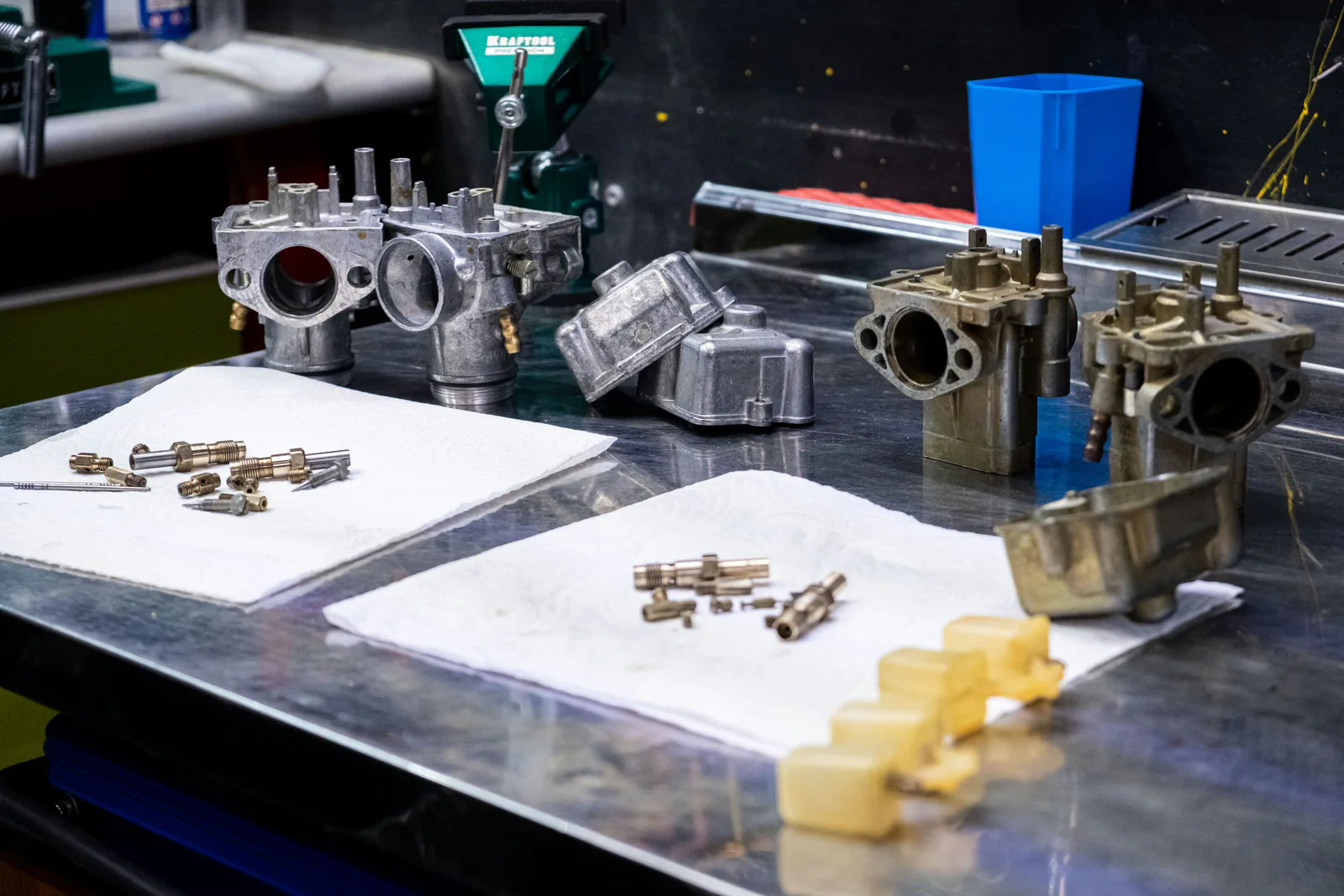
Rebuilding an alternator can be a cost-effective solution. It involves restoring it to optimal condition by replacing or refurbishing essential components. The process typically starts with a thorough inspection. Technicians identify worn-out parts, such as bearings, brushes, and diodes. These are common culprits behind alternator failures.
Once identified, faulty components are replaced or repaired. This step ensures that each part functions as intended, prolonging the alternator's life. Special tools may be used to dismantle and reassemble the parts correctly. The final stage is testing the rebuilt alternator. Technicians verify its performance and confirm it meets the required standards before it goes back in your vehicle.
The key steps in the rebuild process include:
- Inspecting the alternator for defects.
- Replacing or repairing worn parts.
- Testing for optimal performance.
Choosing to rebuild your alternator can save money compared to full replacement. This option is viable if the damage is not extensive. With the right approach, your alternator can serve you well for years.
How to Choose a Reliable Alternator Repair Shop in Chicago
Choosing the right alternator repair shop in Chicago can be crucial for vehicle health. Your decision can impact costs and service quality. Here are key factors to consider. First, verify the shop's credentials. Certified mechanics are more likely to provide reliable service. Look for ASE certification. Second, look for feedback from previous customers. It can give you a sense of a shop's reputation.
Third, ask about warranties. A shop that stands behind its parts and labor shows confidence in its work, and a warranty gives you peace of mind if there is a problem later.
When evaluating your options, consider these:
- Certification and expertise of mechanics
- Customer reviews and shop reputation
- Warranty and guarantee policies
Next, compare prices. It is tempting to choose the cheapest option, but balance cost with quality. It is wise to ask for a clear, itemized quote. Additionally, consider convenience. Location, shop hours, and appointment availability can influence your choice. Some shops even offer mobile services. Lastly, ask questions about the repair process. Understanding what each step entails can help you make informed choices. Transparent communication is a hallmark of trustworthy service providers.
Common questions to ask:
- How experienced are the technicians?
- What warranties do you offer on parts?
- Can you provide a detailed quote?
Choosing a reputable shop ensures efficient service and long-term vehicle reliability.
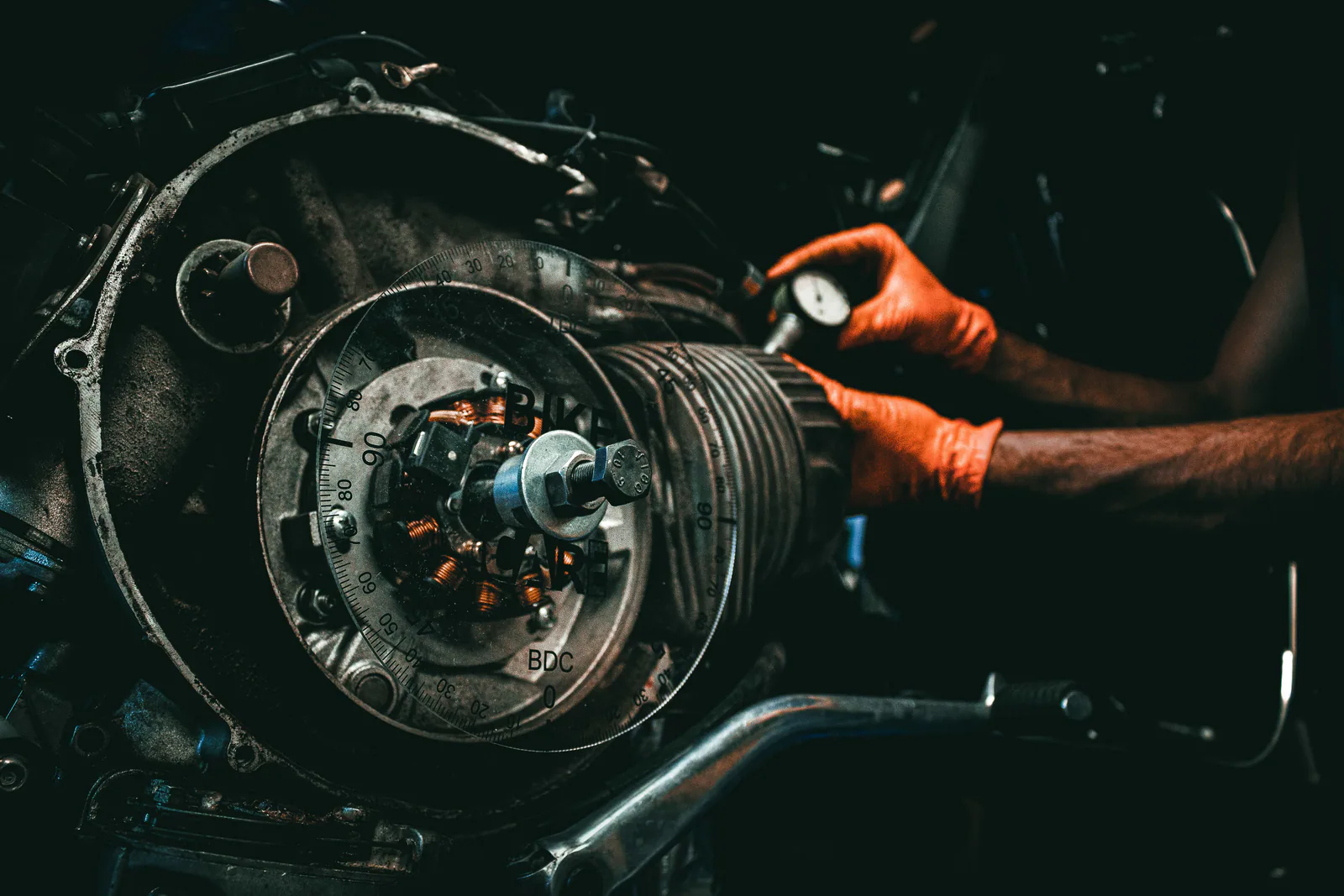
Want a price for your car?
Text us what you need. Nearby independent mechanics bid. You see the first bid, and a later one only if it is lower. You pay when the work is done.
Comparing Costs: What Influences Alternator Repair Prices?
Understanding the costs of alternator repair can help you budget effectively. Prices can vary widely depending on several factors. Knowing these can guide you in making cost-efficient decisions. First, vehicle make and model can significantly impact repair prices. Some vehicles have more accessible alternators, reducing labor costs. Exotic or luxury cars often require specialized parts.
Second, the extent of the alternator damage plays a role. A minor repair will naturally cost less than a complete rebuild or replacement. Damage severity can escalate parts and labor expenses. Additionally, shop labor rates differ across Chicago. Higher-end shops may charge more for their expertise and facilities. It's essential to find a balance between cost and quality service.
Key factors influencing cost include:
- Vehicle make and model
- Damage severity
- Shop labor rates
To judge whether a price is fair, compare quotes where you can. Avoid choosing on the lowest price alone, and consider the shop's reputation and warranty as well. Understanding these factors helps car owners make well-informed financial decisions about alternator repairs.
OEM vs. Aftermarket Parts: What’s Best for Your Alternator?
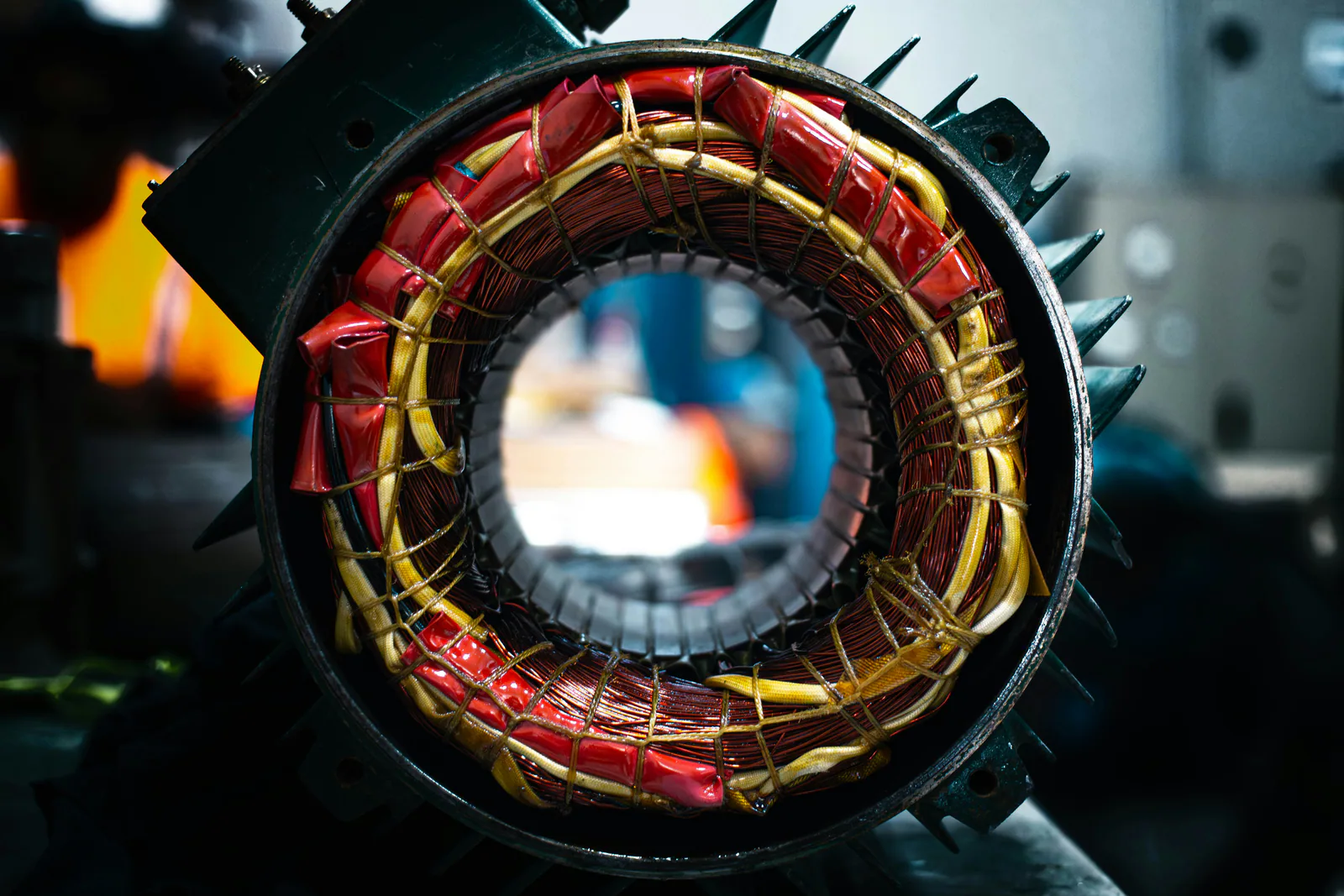
When repairing an alternator, choosing the right parts is crucial. Both OEM and aftermarket parts have their pros and cons. Understanding these can influence the quality and cost of the repair. OEM parts, or Original Equipment Manufacturer parts, are made by the vehicle's maker. These parts ensure perfect fit and performance. They tend to be more expensive, but often come with a warranty.
In contrast, aftermarket parts can be more cost-effective. They are made by third-party manufacturers and offer a wider variety. However, quality may vary, and fit isn't always perfect.
Consider these factors when choosing between OEM and aftermarket parts:
- Cost and budget
- Warranty availability
- Fit and compatibility
Ultimately, your choice depends on specific needs and budget. Consulting with a knowledgeable repair shop can further guide your decision.
The Benefits of Preventive Maintenance for Your Alternator
Routine maintenance is key to keeping your alternator in top shape. Regular check-ups can prevent unexpected failures and save you money. Preventive measures often extend the lifespan of your alternator. By catching issues early, you avoid costly repairs down the line.
Consider these preventive steps for your alternator:
- Schedule regular electrical system check-ups.
- Ensure battery connections are clean and tight.
- Listen for unusual sounds from your alternator.
By integrating these steps into your vehicle maintenance routine, you enhance vehicle reliability. This proactive approach helps ensure your alternator performs optimally for years.
Top Questions to Ask Your Alternator Repair Shop
Before choosing a repair shop, ask the right questions. This can help you make informed decisions and avoid surprises. Inquire about the scope of services offered. Knowing what the repair shop provides can save time and ensure your needs are met.
Consider asking these key questions:
- How long will the repair take?
- What warranties do you offer on parts and labor?
- Do you use OEM or aftermarket parts?
- Can you provide a detailed cost estimate?
Asking these questions helps you assess the repair shop's reliability. Armed with this information, you can ensure high-quality service and fair pricing.
Finding “Alternator Replacement Near Me”: Local Chicago Options
Searching for “alternator replacement near me” in Chicago can yield many options. However, not all provide the same level of service or reliability. Local auto repair shops often offer specialized alternator services. It's crucial to explore these options thoroughly. Reading customer reviews can give insight into service quality.
When evaluating repair shops, consider these factors:
- Proximity and convenience
- Reputation and experience
- Service offerings
- Pricing and quotes
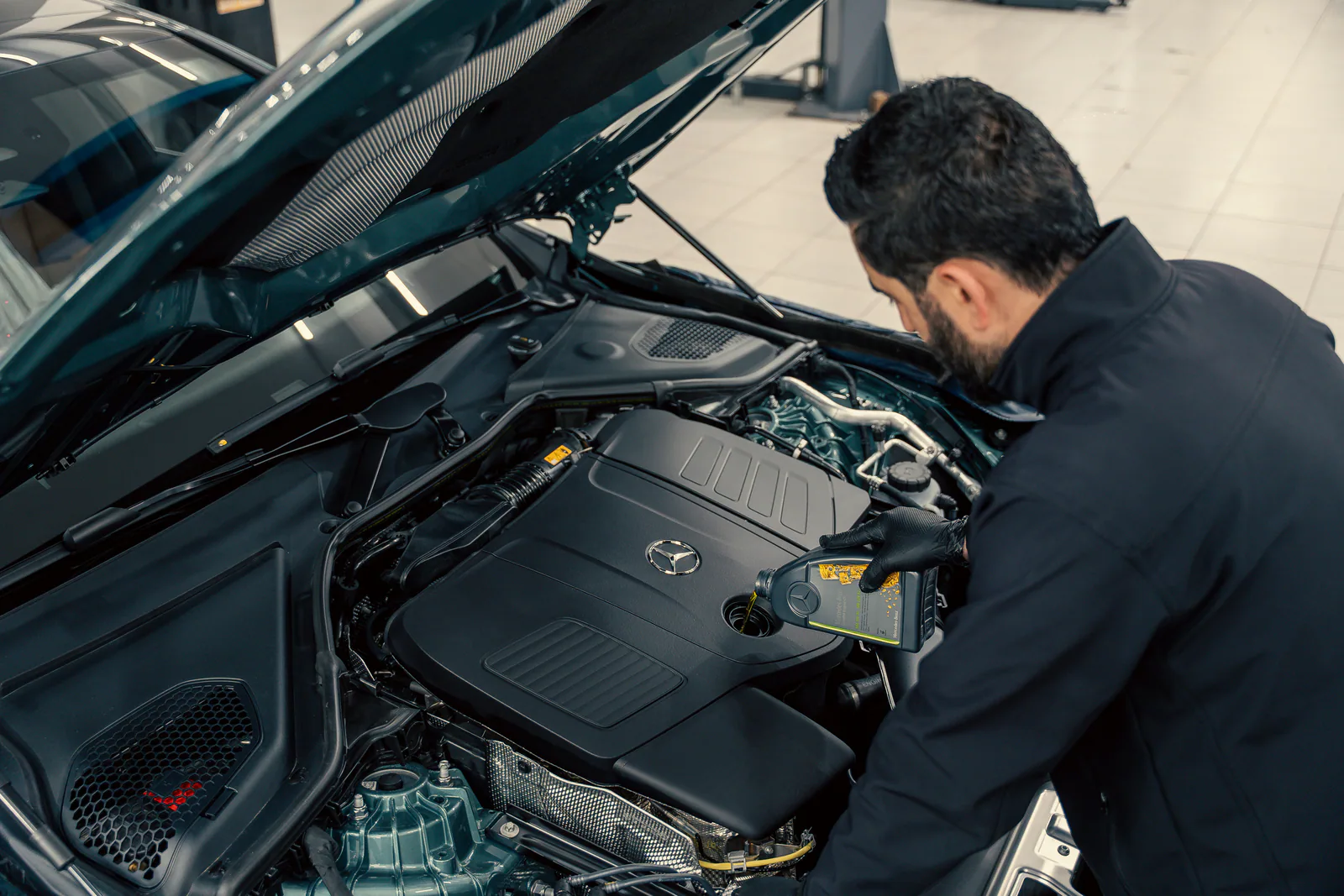
Some providers offer mobile service, which is ideal if you cannot visit in person. Ask what is included in the price before you agree. Chicago has numerous alternatives for auto repairs, making it essential to choose wisely. Doing so ensures your vehicle runs smoothly and reliably.
Alternator Repair at Your Location
If your car will not start because of a failed alternator, a mobile mechanic can often diagnose and replace it where the car is parked. Get free quotes or text (219) 533-8844. Read our mobile alternator repair guide for more. How soon a mechanic can come depends on availability. Text us anytime, day or night. Mechanics are usually available around the clock, depending on their schedules.