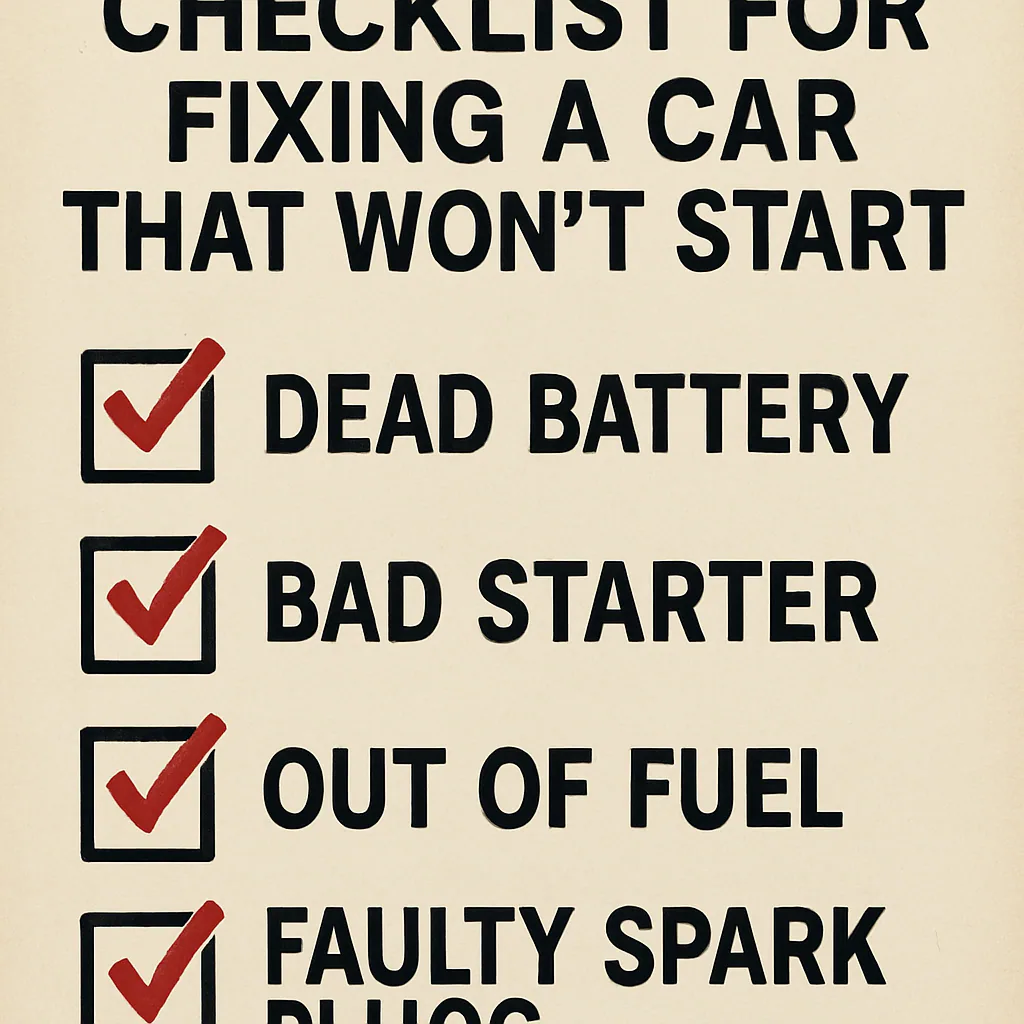
You are commuting when a sudden yellow glow catches your eye. Searching for what dashboard warning symbols mean is a common reaction. That icon is not a mechanical death sentence. It is your vehicle's way of sharing a symptom. Think of this as a quick-start guide to dashboard lights and diagnostics.
Think of dashboard lights and diagnostics as a straightforward traffic light priority system. Red means pull over safely for a critical emergency. Yellow merely signals caution, highlighting a system-level malfunction or acting like a countdown clock to routine maintenance. Wait, can I still drive it? If the alert remains yellow, you have time to search for car diagnostics near me and grab a free code scan at a US auto parts store.
Summary
Dashboard lights follow a traffic light logic: red means stop immediately; yellow means proceed with caution and plan diagnostics soon. The oil change light is an Oil Life Monitor reminder (not the red low oil pressure lamp), and you can reset it after service; “Service Engine Soon” and “Check Engine” are MIL alerts where a steady light is usually safe to drive for a scan, but a flashing light signals a misfire emergency. Use an OBD-II scanner or free parts-store scan to read DTCs (e.g., P0420, P0135, P0300, P0455) and avoid simply clearing codes without repairs. For inspections, readiness monitors must be complete after a drive cycle, and your go-to plan is: Check the gas cap, Scan the codes, then Fix with a pro.
The 'Oil Change' Light: Why Your Car Has a Built-In Kitchen Timer
Seeing the oil change light pop up doesn't mean your engine is breaking down. Think of it as a built-in kitchen timer. It is completely different from the red "genie lamp" icon, which signals dangerously low oil pressure and requires an immediate roadside stop.
Modern cars use an Oil Life Monitoring (OLM) system to track your engine's actual workload. Freezing weather or towing a trailer shortens this countdown much faster than normal driving. The computer even factors in long-lasting fluid upgrades like 5w-40 synthetic oil during a routine oil change.
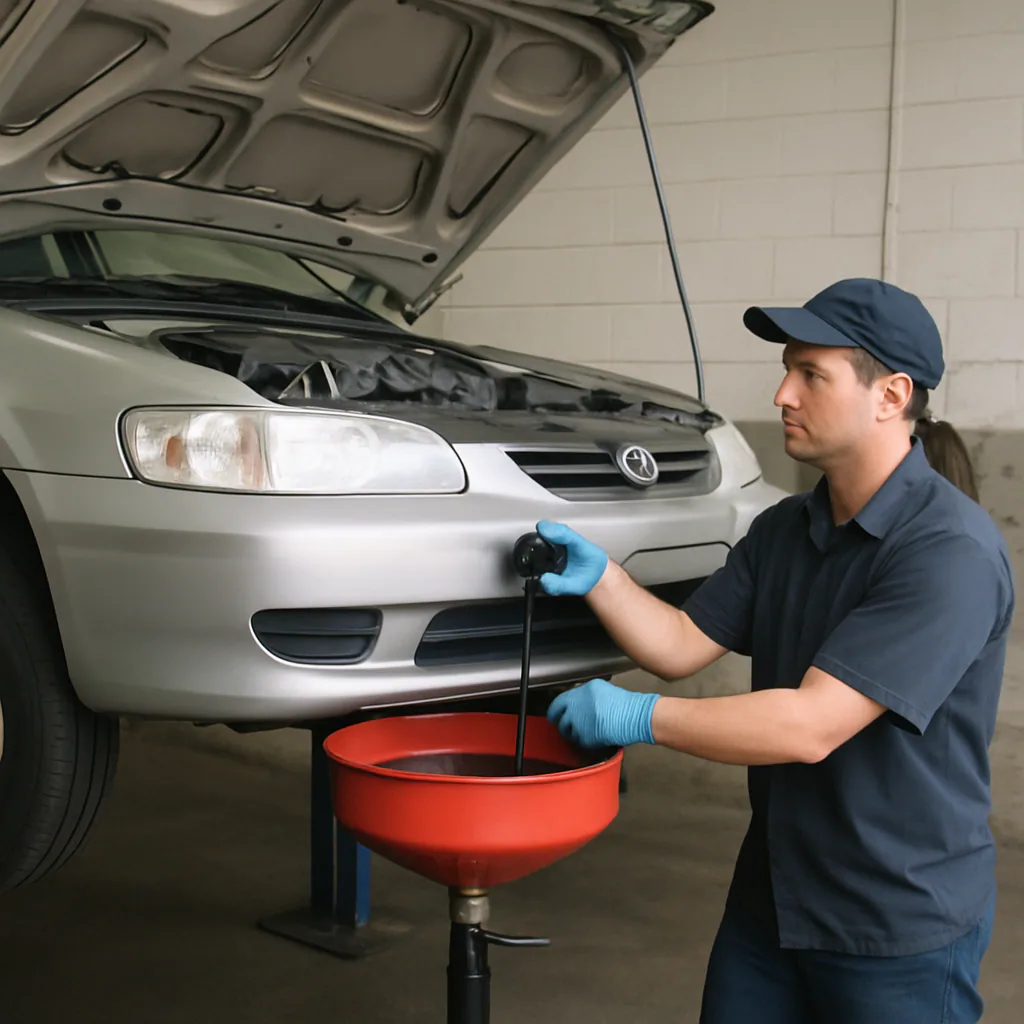
Depending on your vehicle and budget, you can choose an oil change with conventional oil or step up to full synthetic. When comparing service options---whether a mobile oil change, a quick Nissan oil change or Honda oil change, scheduling a Ford oil change at the dealer, or budgeting for BMW oil change cost---look for savings with a Mobil 1 oil change coupon or a Honda oil change coupon.
Mechanics sometimes forget to clear the dashboard message after a quick service. Fortunately, here is exactly how to reset the oil life monitor manually to fix the issue:
- Turn the ignition to "ON" without starting the engine.
- Navigate to "Oil Life" using your steering wheel menu.
- Hold the "OK" or "Reset" button until it displays 100%.
Clearing this reminder yourself saves a stressful dealership trip.
Service Engine Soon vs. Check Engine: Deciphering the Subtle Warning
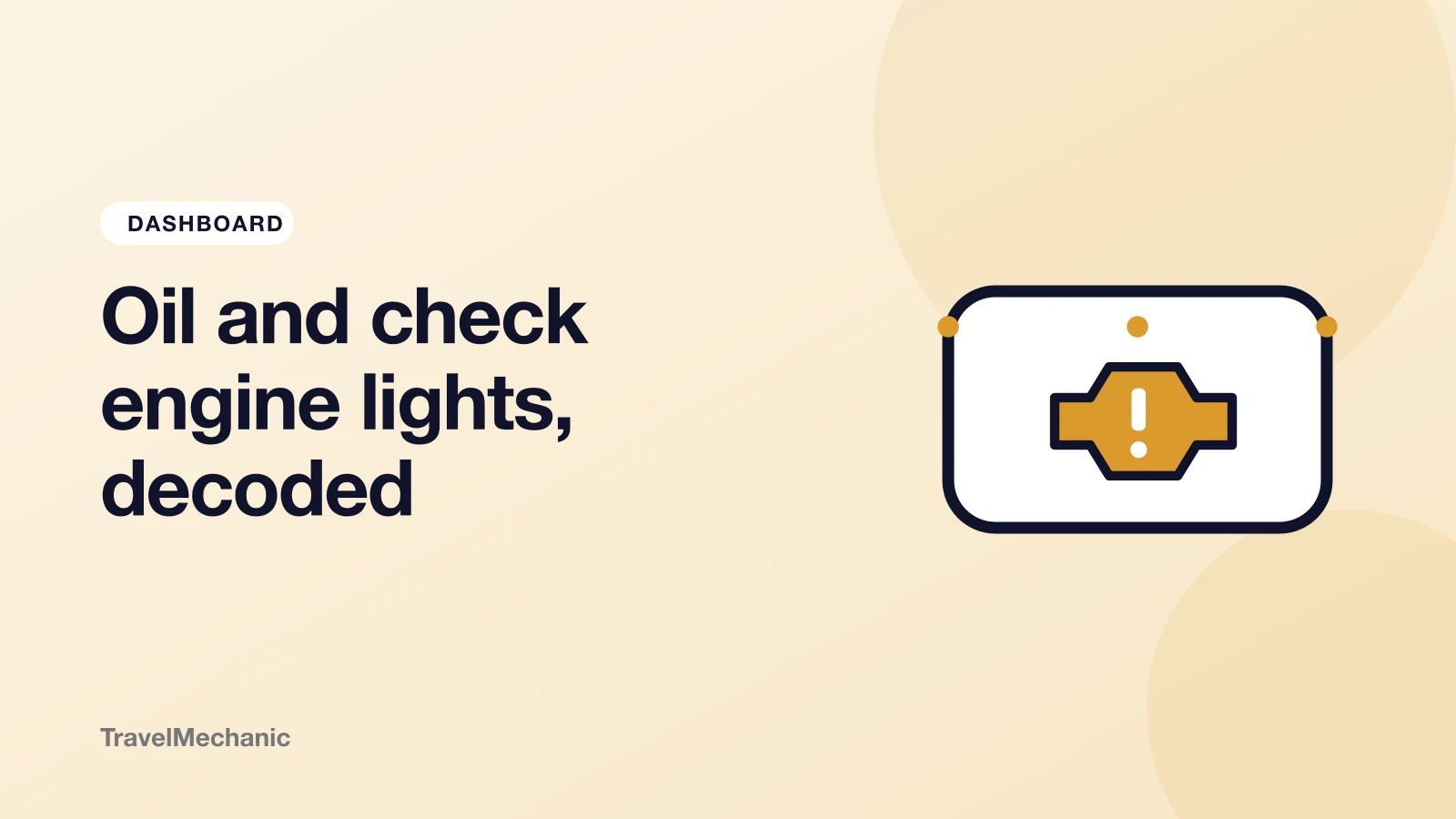
Staring at a yellow dashboard glow triggers instant panic when you aren't sure what the car is trying to communicate. The main difference between service engine soon and check engine light warnings comes down to severity. Both act as your vehicle's Malfunction Indicator Lamp (MIL), but they report very different symptoms.
That "service engine soon" message usually points to your emissions control system---the basic plumbing keeping your exhaust fumes clean. It rarely means an immediate mechanical failure. In fact, the most frequent trigger is just a minor pressure leak, making a loose gas cap your absolute easiest free repair.
As long as either yellow light remains steady instead of flashing, you are generally safe driving straight to a mechanic or auto parts store. Once there, a professional or store clerk can retrieve the exact error code your vehicle generated.
From P0420 to Peace of Mind: How OBD-II Scanners Translate Car Talk
Your car's computer writes a digital doctor's note whenever a sensor spots trouble. Translating this requires plugging an OBD-II scanner for home diagnostics into the hidden port located just under your steering wheel to read the exact Diagnostic Trouble Code (DTC).
Getting this report is surprisingly easy, as most major US auto parts chains offer free scans that can quickly save you a diagnostic fee. Remember, using a tool to simply clear check engine light codes only hides the dashboard symptom without actually curing the underlying vehicle illness.
These diagnostic tools decode confusing robotic numbers into plain English:
- P0420 : Indicates inefficient exhaust filtering, creating diagnostic trouble code P0420 symptoms like a sluggish engine or poor fuel economy.
- P0135 : Points to an oxygen sensor, a tiny thermometer monitoring unburned fuel. Luckily, the cost of oxygen sensor replacement is fairly manageable.
- P0300: Signals an engine misfire, frequently cured by inexpensive new spark plugs.
- P0455: Detects an evaporative vapor leak (often a loose gas cap). If you smell raw fuel, you may need to fix a fuel leak or schedule gas line repair, which is separate from EVAP issues.
Related maintenance can surface alongside these codes or symptoms. If you're comparing serpentine belt vs timing belt service intervals, plan ahead for serpentine belt replacement cost. Overheating or coolant warnings may point to a worn radiator hose or debris-clogged fins; ask a shop about radiator cleaning cost if the cooling system struggles.
Want a price for your car?
Text us what you need. Nearby independent mechanics bid. You see the first bid, and a later one only if it is lower. You pay when the work is done.
The Flashing Light Emergency: When to Pull Over Immediately
A steady glow means schedule a check-up, but a blinking light is a true emergency. If you find yourself asking, "can I drive with a flashing check engine light?" the answer is no. This blinking signals a severe engine misfire that can instantly melt your catalytic converter. Pull over safely.
Other dashboard lights demand immediate stops, specifically these three red alerts:
- Battery Icon : Pointing to alternator problems , a car on battery power alone will stall quickly.
- Oil Lamp: Engine oil pressure has crashed, risking total engine failure.
- Service Brake System: Your hydraulic fluid is low, severely compromising your stopping ability.
After stopping safely, if braking felt weak or spongy, learn how to inspect brake pads and ask about a routine brake fluid flush to restore pedal feel.
Passing the State Inspection: Why Cleared Codes Might Still Fail You
Heading to an inspection for car in texas or another required state? Resetting the battery to hide an engine light won't work. Passing state emissions test with cleared codes is impossible because inspectors check the system's hidden memory.
Your car uses "Readiness Monitors"---internal health checklists verifying recent repairs. Completing these requires a "Drive Cycle," meaning you must drive 50 to 100 miles under varied conditions before the vehicle's computer officially reports as "Ready."
Whether finding an uber vehicle inspection near me or navigating local testing requirements, unresolved lights always cause automatic failures. Note that some regions are changing rules, with states phasing out mandatory vehicle inspections in certain areas; always verify local laws. If you're shopping used, you might even search "are pre purchase inspection worth it"---the short answer is yes, because that report can reveal hidden issues before you buy.
Your 3-Step Action Plan for Every Dashboard Warning
A glowing dashboard light doesn't have to trigger panic anymore. By following essential vehicle maintenance schedule intervals and keeping a simple log, you prevent most surprises before they happen. When a warning does appear, master the "Check, Scan, Fix" routine: check the gas cap, get a free parts-store scan, then talk to a pro.
Walking into a shop after reading vehicle diagnostic reports yourself completely changes the conversation. Instead of risking expensive automated repair guesswork, you become your own advocate. Armed with your car's code data, you can confidently discuss the exact issue with the mechanic---whether it's emissions, a cooling concern, or HVAC comfort---and even ask a technician how to repair heating and air conditioning if the cabin system isn't working.
Need a Hand? Ask a Mobile Mechanic
If a warning light comes on and you want it checked, a mobile mechanic can read the codes and explain what they mean at your location. Get free quotes or text (219) 533-8844. Nearby mechanics bid, you see the first bid and a later one only if it is lower, and you pay when the work is done. How soon a mechanic can come depends on availability. Text us anytime, day or night. Mechanics are usually available around the clock, depending on their schedules.