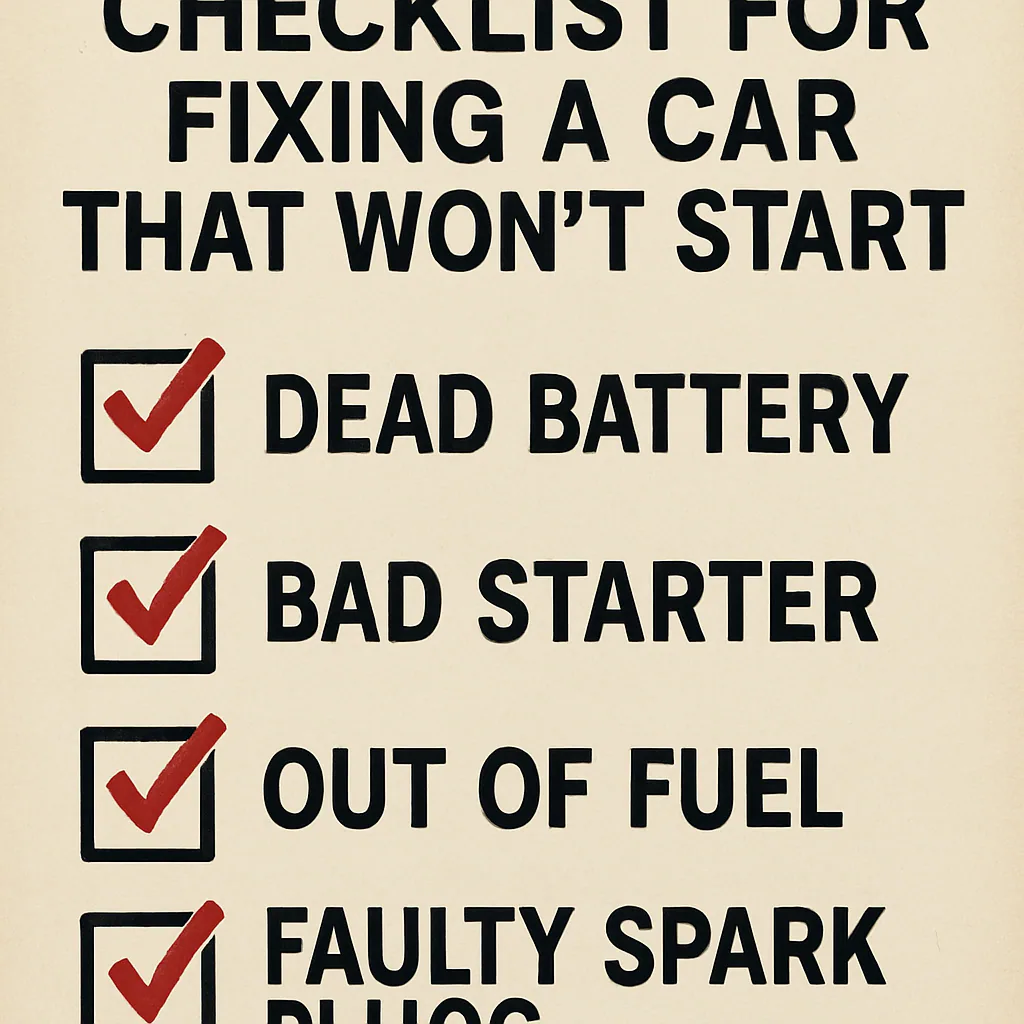
A car that won't start can be frustrating. It's a common issue many drivers face. Understanding why your car won't start is crucial. It helps in diagnosing the problem quickly. Several factors can cause starting issues. From a dead battery to ignition problems, the list is long. A car that won't crank often points to a starter motor issue. But it could be something else.
Sometimes, the problem is as simple as a loose battery connection. Other times, it's more complex. This guide will explore common reasons your car won't start. It will also offer solutions to get you back on the road.
Quick Checklist: What to Do First When Your Car Won't Start
When your car won't start, stay calm. Panic can cloud your judgment. First, check if your car is in park or neutral. This simple step is crucial. Next, inspect the dashboard for any warning lights. These can hint at underlying issues.
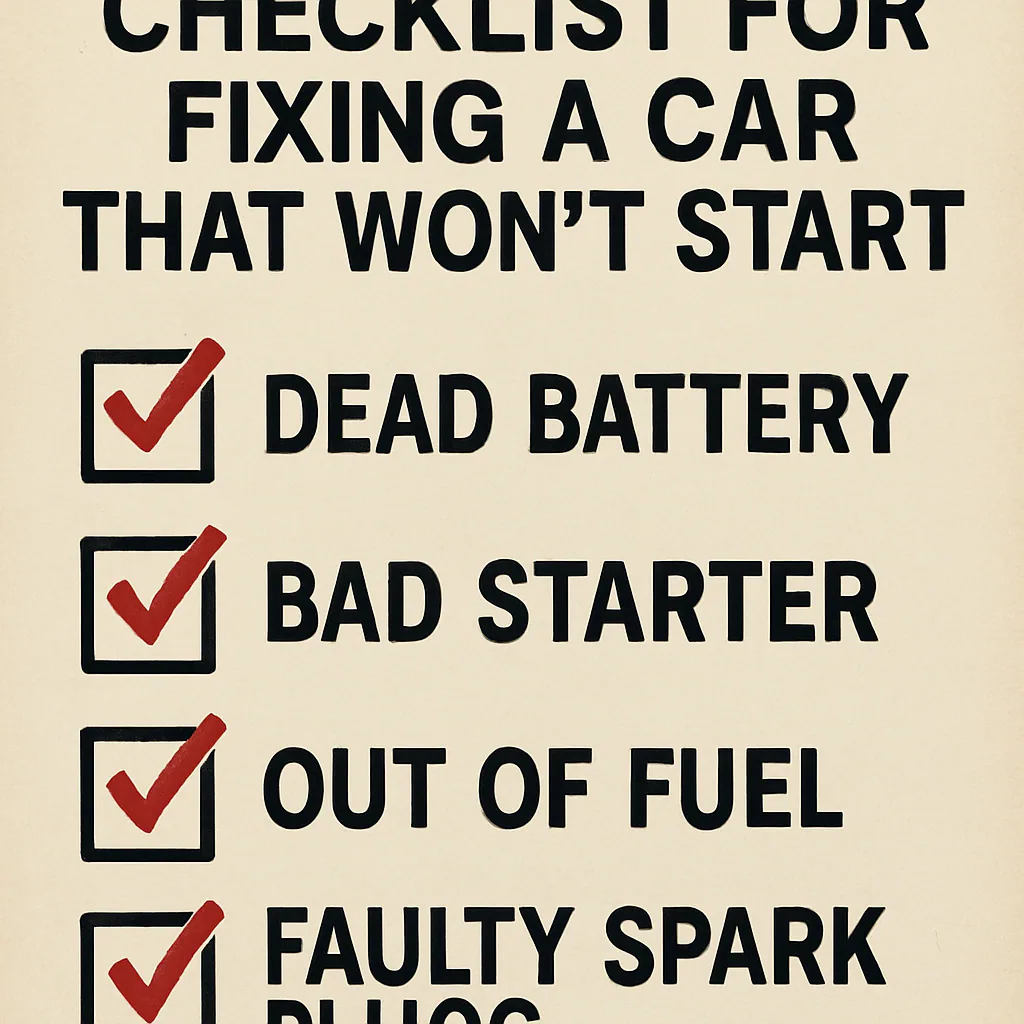
Here's a quick checklist to follow:
- Check Battery: Look for dim lights or no power.
- Listen for Sounds: Clicking sounds suggest starter problems.
- Look for Warning Lights: They indicate specific issues.
- Inspect Fuel Gauge: Ensure there's enough fuel.
A quick look under the hood can help spot any visible damage. If you're unable to find the issue, consider professional help. By following these steps, you might quickly identify why your car won't start and potentially solve the problem.
Dead Car Battery: The Most Common Culprit
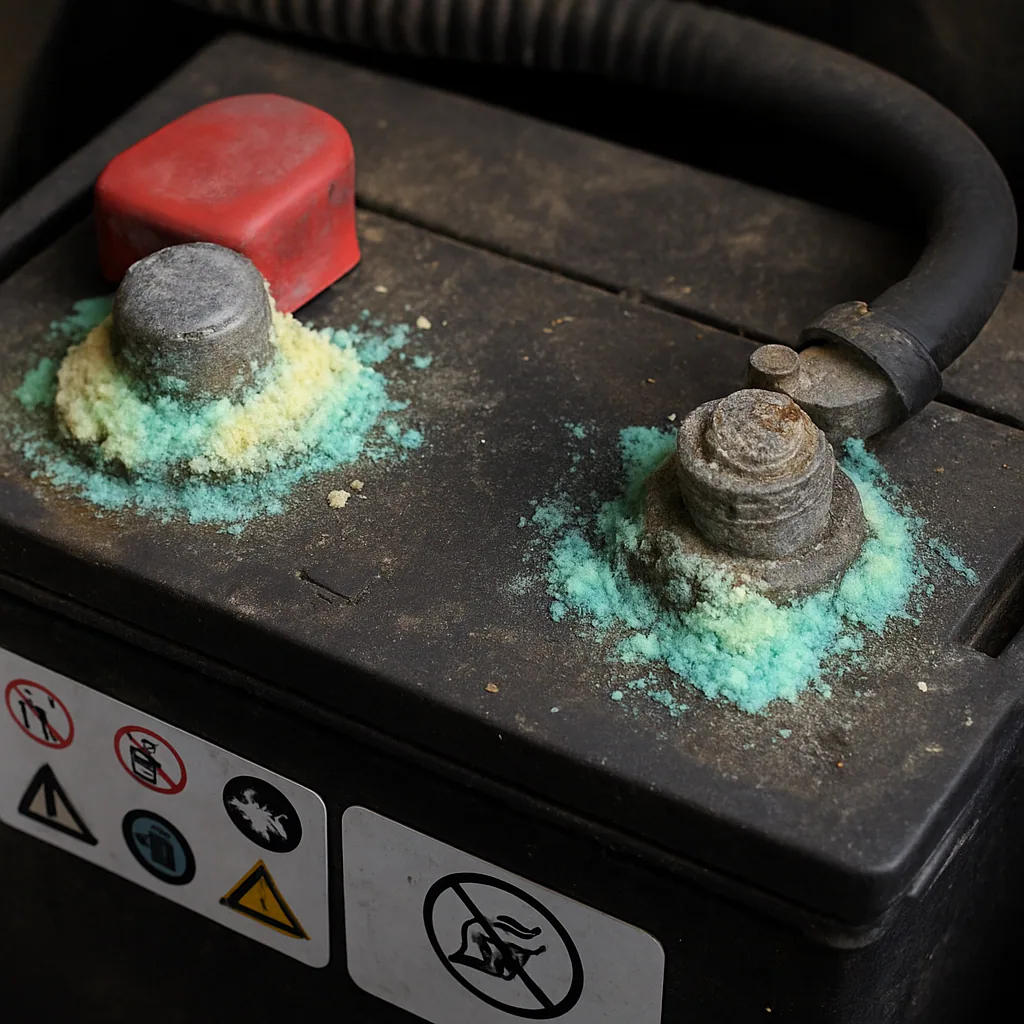
A dead car battery is the most frequent reason a car won't start. Batteries degrade over time, especially in older vehicles. Signs of a dead battery include dim headlights and no response when turning the key. These symptoms are easy to notice. Corroded or loose battery terminals can also prevent starting. Regular maintenance can prevent such issues. In some cases, the battery may have enough power for lights but not for starting. It's common if the battery is failing.
A quick jump-start can often solve the problem temporarily. Keep jumper cables handy for this purpose.
Here's what to check for a battery issue:
- Terminal Corrosion: Clean with baking soda.
- Loose Connections: Tighten the clamps securely.
- Battery Age: Replace if over three years old.
- Voltage Check: Use a multimeter to test.
Battery issues often appear unexpectedly. Regularly checking the battery health can prevent these surprises. By understanding signs of battery failure, you can minimize the risk of getting stranded. This simple awareness can save you time and trouble on the road.
Starter Motor Issues: Why Your Car Won't Crank
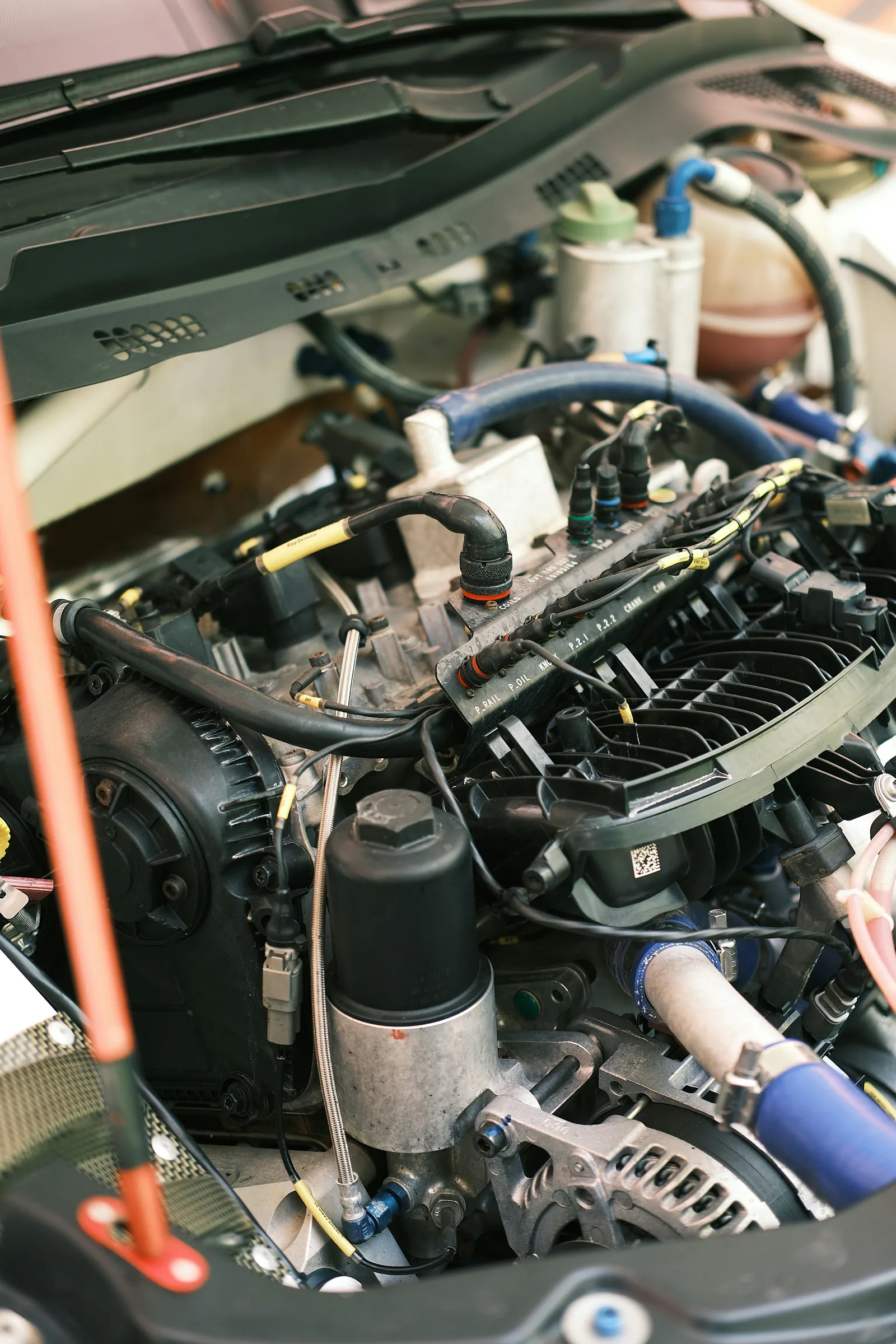
When a car won't crank, the starter motor might be to blame. The starter is crucial for getting the engine running. A clicking noise often indicates a starter issue. This noise occurs when the solenoid engages but the motor doesn't turn over. Worn-out starter parts can fail to engage with the engine. Over time, components like the starter gear may wear down. If the car has power, but it still won’t crank, inspect the starter motor. Electrical connections to the starter should be secured.
Listen for any unusual sounds during ignition attempts. These can provide clues about starter problems.
Here's a checklist for diagnosing starter issues:
- Clicking Sounds: Sign of electrical connection issues.
- Power But No Crank: Starter may be faulty.
- Smoke or Burning Smell: Indicates overheating.
- Starter Gear: Inspect for wear and tear.
Starter problems can often mimic other issues, but addressing them early prevents further damage. These components are integral to the starting system, making their maintenance essential. Keeping your starter in check can avoid inconvenient breakdowns.
Ignition Switch and Key Problems
Problems with the ignition switch or key can also prevent your car from starting. These are common issues, particularly in older vehicles. If the dash lights don't illuminate when you turn the key, it may indicate an ignition switch failure. Without power, the engine won't crank. Keys can wear down over time, especially if frequently used. A worn key might not fit the ignition properly, preventing the car from starting.
Some cars use electronic keys or fobs. If the battery in your key fob is dead, the car might not recognize it.
Here's a quick checklist to identify ignition switch or key issues:
- No Dash Lights: Possible ignition switch problem.
- Worn Key: Check for visual wear and replace if needed.
- Dead Key Fob Battery: Replace the battery if the car won't start.
Ignoring these issues can result in repeated starting failures. Address them promptly to maintain reliable vehicle performance.
Alternator Failure and Charging System Issues
The alternator plays a vital role in keeping your car's battery charged. If it fails, the battery can't recharge, causing starting issues. It's a common problem that leads to a dead car battery.
Signs of alternator failure often include dimming headlights or an illuminated battery warning light on the dash. If these symptoms appear, it's time to have your charging system checked. A failing alternator might also produce unusual noises, like whining or grinding, when the engine is running.
Before concluding that the alternator is faulty, consider the following checklist:
- Dimming Headlights: Indicates a charging issue.
- Battery Warning Light: Check if it remains lit.
- Strange Noises: Listen for unusual sounds when the car is on.
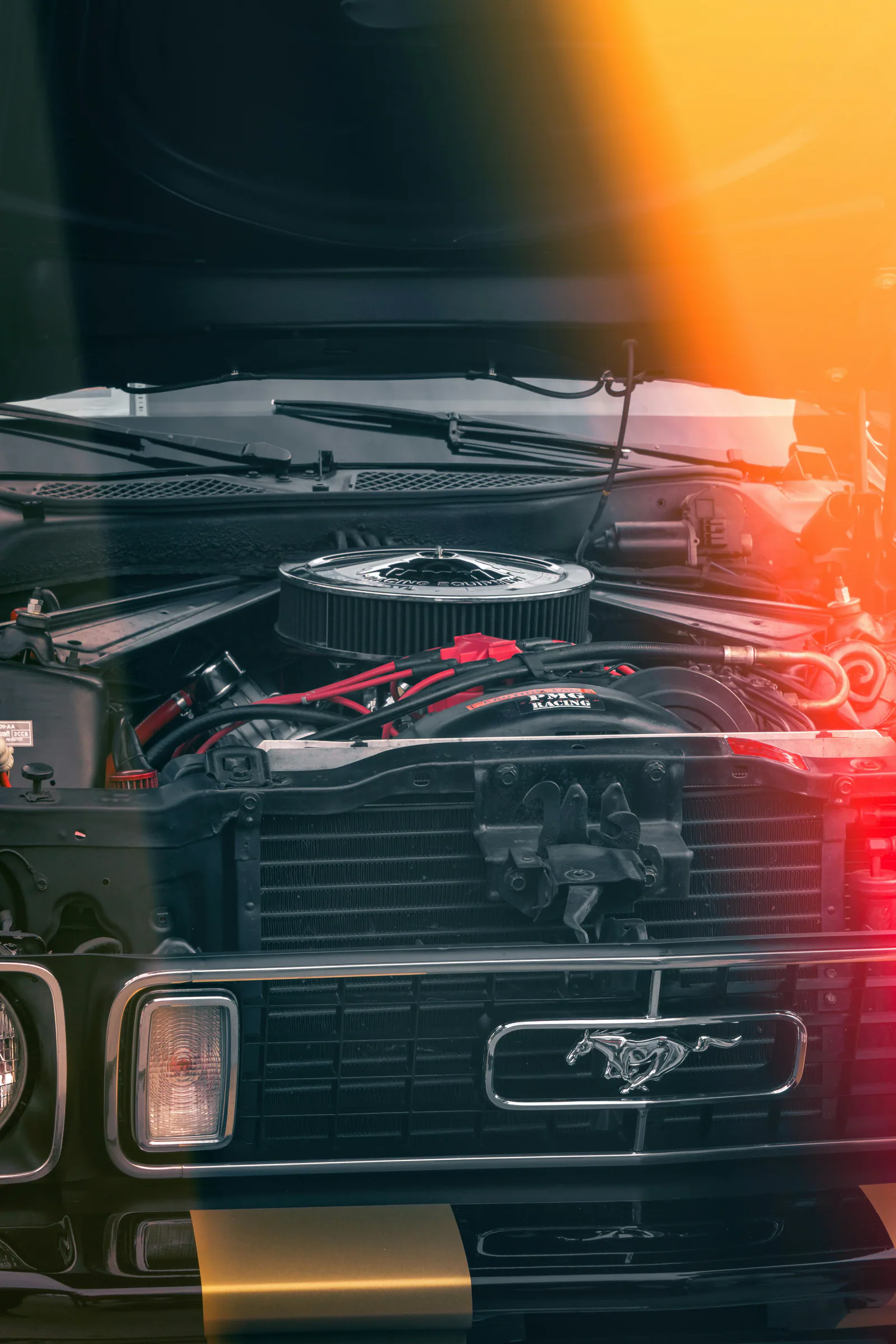
Regular inspection and maintenance of the alternator can prevent unexpected breakdowns. Addressing alternator problems early keeps your vehicle running smoothly and prevents battery drainage.
Fuel System Problems: No Fuel, No Start
Fuel system problems are a common cause of starting issues. Without fuel, the engine simply can't run. Several potential problems could prevent fuel from reaching the engine. A clogged fuel filter can block the flow of gas, making it difficult for your car to start. Regularly replacing the fuel filter is essential to maintain proper flow. A failing fuel pump means fuel won't be efficiently delivered to the engine. This issue can cause the engine to crank without starting.
Running out of gas is an obvious but often overlooked reason for starting problems. Always check the fuel gauge before attempting to start.
Use the following checklist to identify potential fuel system issues:
- Clogged Fuel Filter: Consider replacement for better flow.
- Fuel Pump Malfunction: Listen for a humming sound.
- Empty Gas Tank: Check the fuel gauge.
Addressing these issues promptly ensures your car starts smoothly every time. Regular maintenance helps to prevent unexpected fuel-related breakdowns.
Spark Plug and Ignition Coil Failures
Spark plugs ignite the air-fuel mixture in your engine. If they're faulty, your car may fail to start. Worn-out spark plugs can lead to misfires, causing rough idling or a complete failure to start.
The ignition coil plays a key role by transforming the battery's voltage to a level that can ignite the spark plugs. A bad ignition coil can prevent the engine from getting the spark it needs.
When troubleshooting, consider these aspects:
- Worn Spark Plugs: Replace if overused or corroded.
- Faulty Ignition Coil: Test with a multimeter for electrical faults.
- Visible Damage: Inspect for cracks or burns on coils and plugs.
Proper maintenance of spark plugs and ignition coils is crucial. This can prevent many start-up issues and ensure reliable performance.
Want a price for your car?
Text us what you need. Nearby independent mechanics bid. You see the first bid, and a later one only if it is lower. You pay when the work is done.
Blown Fuses and Electrical Issues
Electrical problems often prevent a car from starting. A blown fuse can disrupt the flow of electricity, causing a no-start condition. Checking the fuses should be a part of your initial troubleshooting process. Modern cars rely heavily on electrical systems. If there's a wiring issue, it can affect many starting components. Pay attention to any electrical malfunctions or warning lights on your dashboard.
Here's what to look for:
- Blown Fuses: Inspect the fuse box for burnt or blown fuses.
- Battery Connections: Ensure terminals are clean and tight.
- Wiring Issues: Look for frayed or damaged wires.
These steps can help you identify and fix simple electrical issues. If problems persist, consult a professional for further diagnosis.
Security System and Immobilizer Faults
Modern cars come equipped with advanced security systems. However, these systems can sometimes prevent the car from starting. An issue with the immobilizer can trick the car into thinking it's being stolen. A common sign of a security system problem is a blinking dashboard light. This can indicate a problem with the key or the system itself. Ensuring the key fob is functioning properly is crucial.
Here are some troubleshooting tips:
- Key Fob Battery: Replace if dead.
- Reset System: Follow your car manual's instructions.
- Spare Key: Try a different key if available.
Security issues can often be fixed with simple resets or key battery replacements. If unresolved, professional assistance may be necessary.
Weather-Related Starting Problems
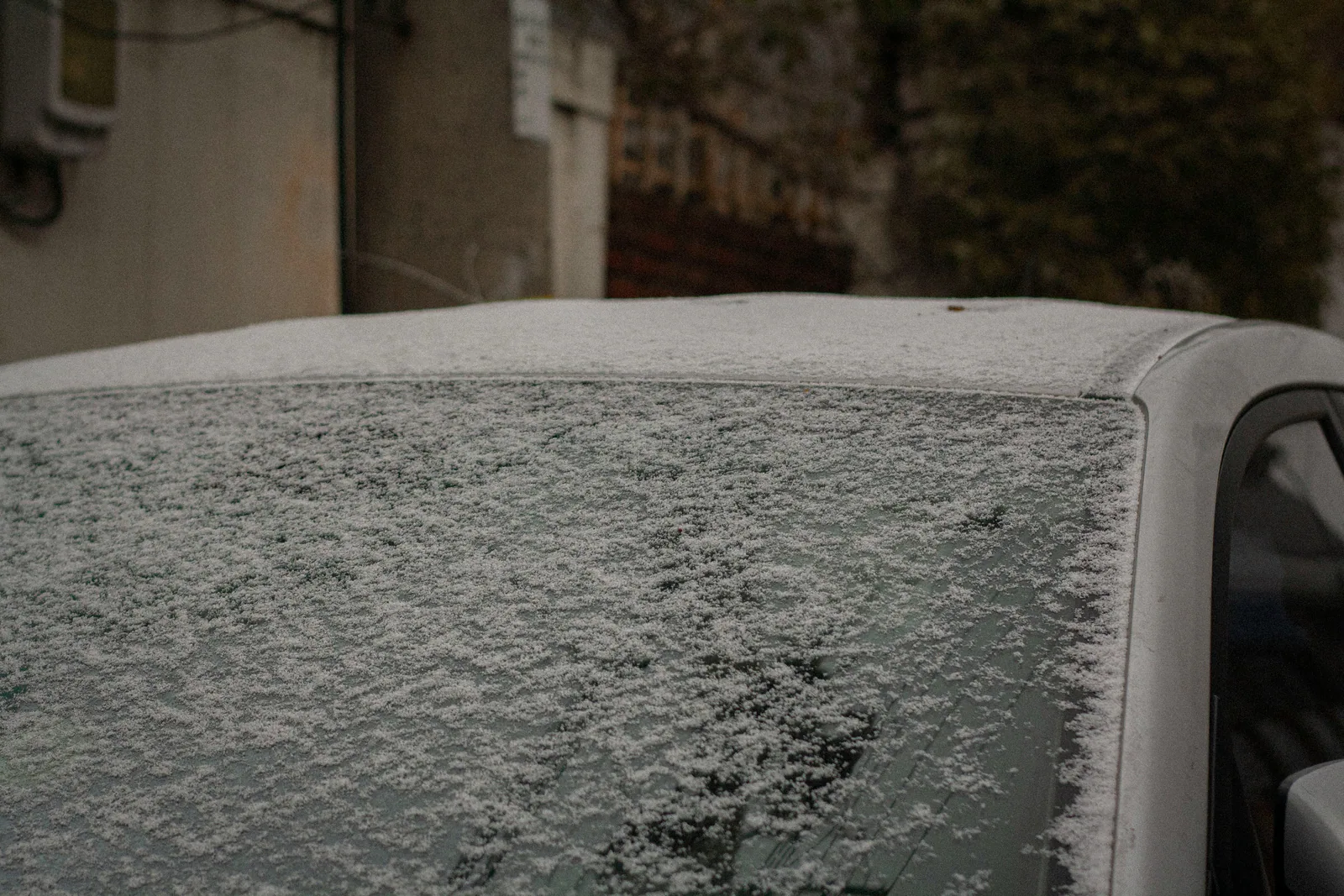
Weather can impact your car's ability to start. Cold temperatures, in particular, can cause several issues. Batteries tend to perform poorly in cold weather, diminishing their power to crank the engine.
Fuel can also be affected by temperature. In freezing conditions, it can become thicker, making it harder for the engine to receive the required amount. Additionally, extremely hot weather can lead to vapor lock in the fuel system, preventing the engine from starting.
Tips for weather-related starting problems:
- Keep Battery Insulated: Use a battery blanket in winter.
- Regularly Check Fluids: Ensure proper levels and consistency.
- Garage Parking: Protects from extreme temperatures.
Other Less Common Reasons Your Car Won't Start
While common issues are easier to identify, less obvious reasons can also prevent a car from starting. A faulty crankshaft position sensor, for instance, can disrupt the engine's timing, halting the ignition process. An overlooked exhaust system can cause starting problems, too. A blocked or malfunctioning catalytic converter can lead to insufficient power output. Moreover, sometimes even overlooked sensors can be troublemakers. For example, the coolant temperature sensor might give incorrect readings, affecting fuel and spark settings.
Other less common reasons include:
- Clogged Air Filter: Impacts air intake and combustion.
- Faulty Ignition Module: May disrupt spark delivery.
- Misaligned Timing Belt: Affects engine timing.
Troubleshooting Steps: How to Diagnose a No-Start Condition
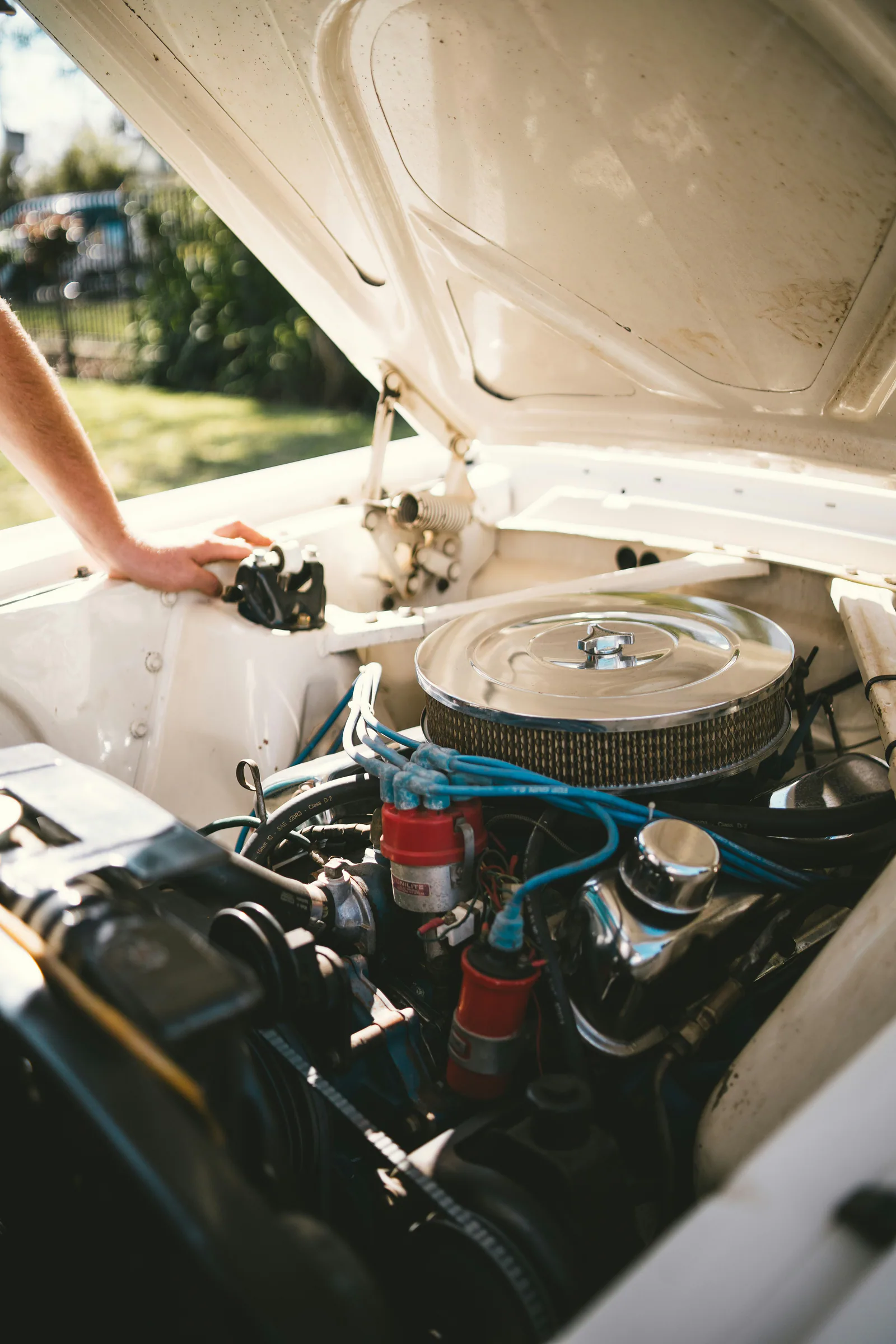
Diagnosing a no-start issue requires patience and a methodical approach. Start by listening for sounds as you turn the key. Silence or clicking can indicate specific problems. Next, check the dashboard for warning lights. These indicators often provide valuable clues about electrical systems or engine components. Look for patterns and anomalies. Visual inspections help, too. Look under the hood for any visible signs of damage or leaks. Ensure all wires and connections appear intact.
Consider the following steps:
- Check Battery: Test with a multimeter for proper voltage.
- Inspect Fuses: Look for any that are blown.
- Fuel Gauge: Confirm adequate fuel levels.
- Listen for Fuel Pump: A quiet pump may not be functioning.
When to Call a Mechanic
Sometimes, despite best efforts, diagnosing car issues is complex. It's crucial to know when professional help is needed. If you're facing persistent problems or unfamiliar warning lights, a mechanic's expertise is invaluable. Additionally, if your car has unusual noises that you can't identify or resolve, seeking professional advice is wise.
Consider calling a mechanic when:
- You've attempted troubleshooting but the car won't crank.
- Complex systems like the ECU or ignition module might be involved.
- You suspect serious issues, such as a faulty timing belt.
Preventing Future Starting Problems: Maintenance Tips
Regular maintenance is key to keeping your car starting smoothly. Simple routine checks can prevent many issues. Start by scheduling frequent battery tests. Doing so will ensure it maintains optimal voltage. Additionally, check connections for corrosion or looseness, which can inhibit starting.
Maintain your car's health with these tips:
- Change oil regularly.
- Test and replace the battery as needed.
- Inspect belts and hoses for wear.
- Keep fuel levels adequate.
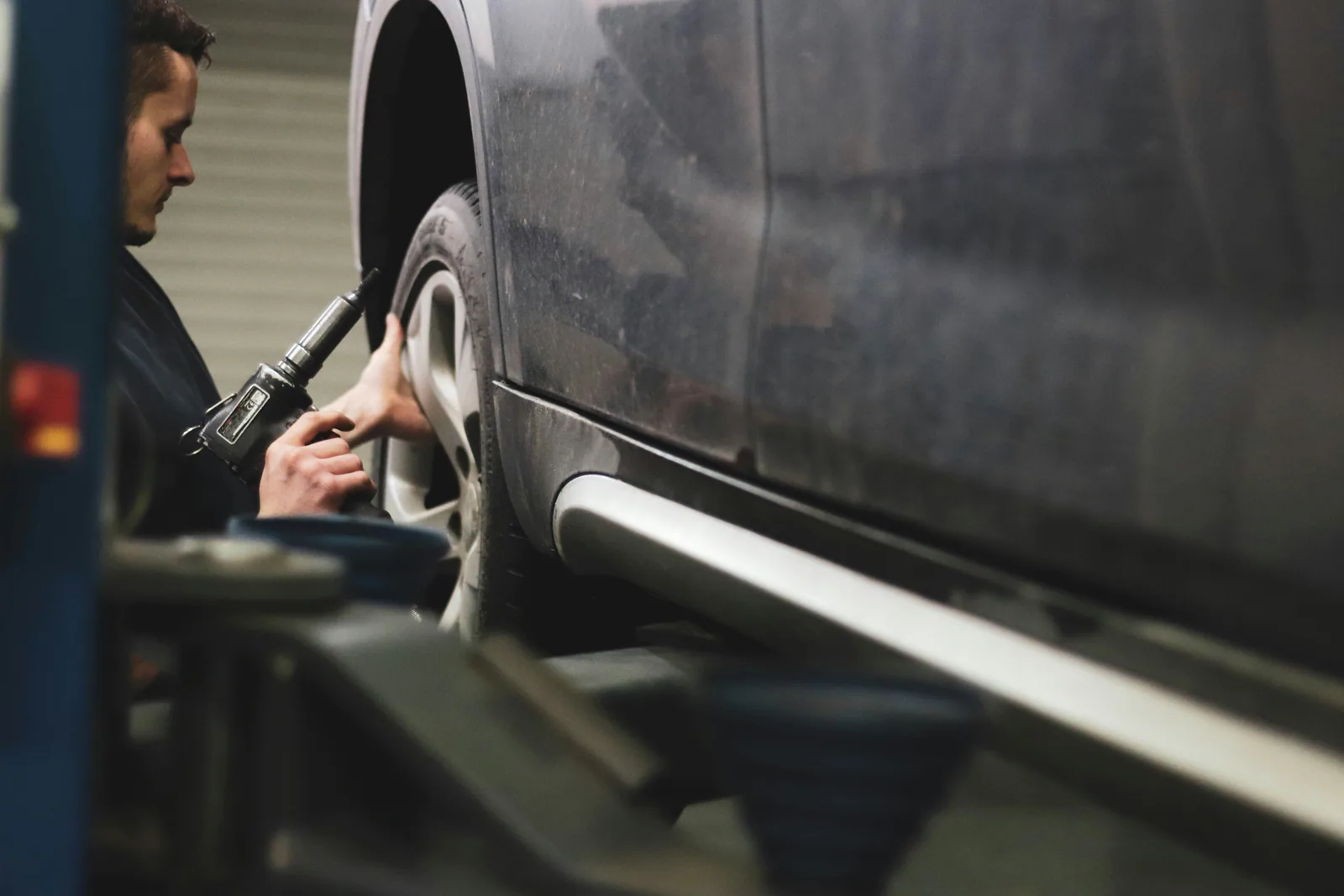
In winter, consider a battery warmer. It ensures your car is prepared for cold starts. Maintaining your car prevents unexpected breakdowns and keeps it running reliably.
Need a Hand? Ask a Mobile Mechanic
If your car will not start and you would rather not troubleshoot it yourself, a mobile mechanic can diagnose many no-start problems where the car is parked, such as a dead battery, a bad starter or an alternator issue. Get free quotes or text (219) 533-8844. Nearby mechanics bid, you see the first bid and a later one only if it is lower, and you pay when the work is done. How soon a mechanic can come depends on availability. Text us anytime, day or night. Mechanics are usually available around the clock, depending on their schedules.