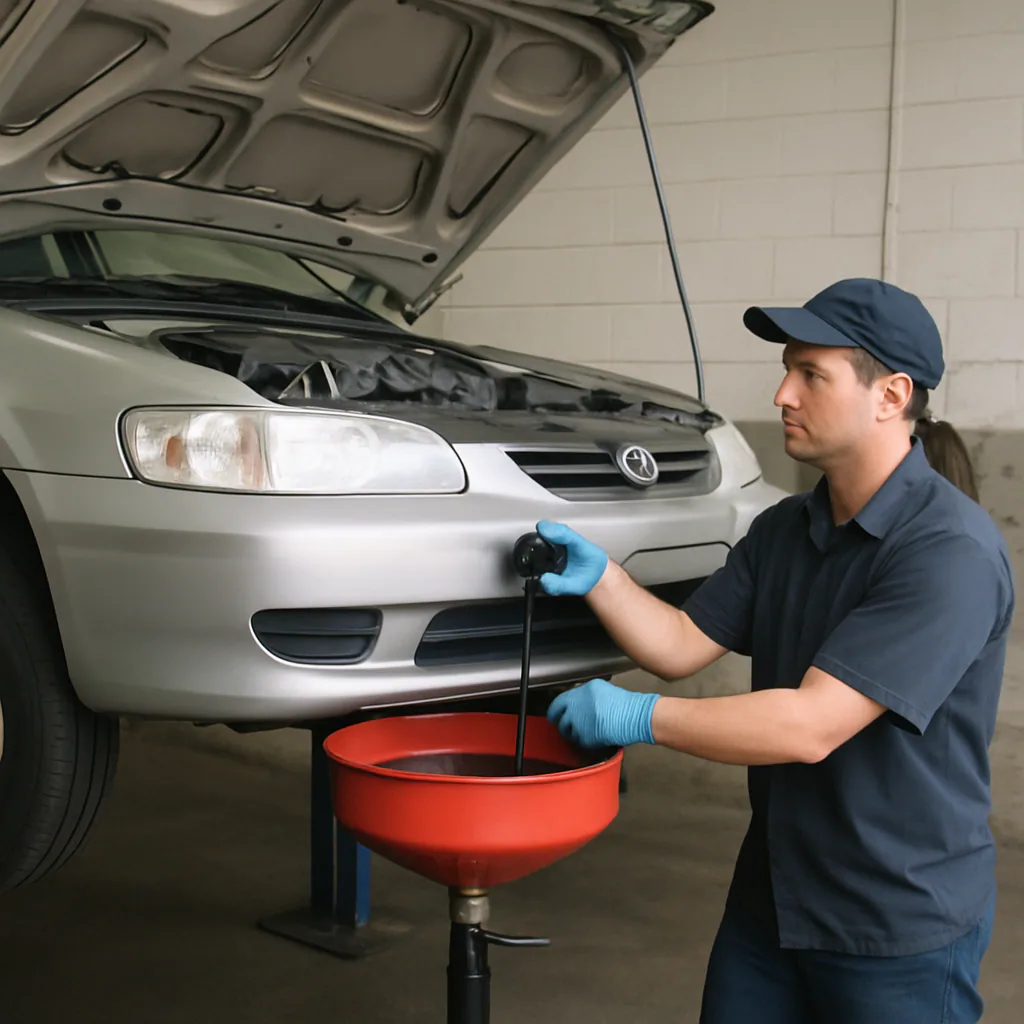
If you're trying to plan your day, the real question isn't just how long does an oil change take-it's how long it takes in your situation (shop vs. mobile, appointment vs. walk-in, conventional vs. synthetic, and whether your vehicle has hard-to-access components).
Quick answer: typical oil change time
- Quick-lube or express shop: often one of the faster options when there is no line
- Standard shop visit: service time plus waiting and checkout
- Mobile mechanic at home or office: service time plus setup and cleanup, depending on access
- DIY at home: usually the longest, especially the first time
So if you are asking how long it takes to get an oil change, the honest answer is that it depends. These are planning guidelines, not promises. Add extra time if you walk in during peak hours or combine the visit with other services. Your mechanic or shop can give you an estimate for your car.
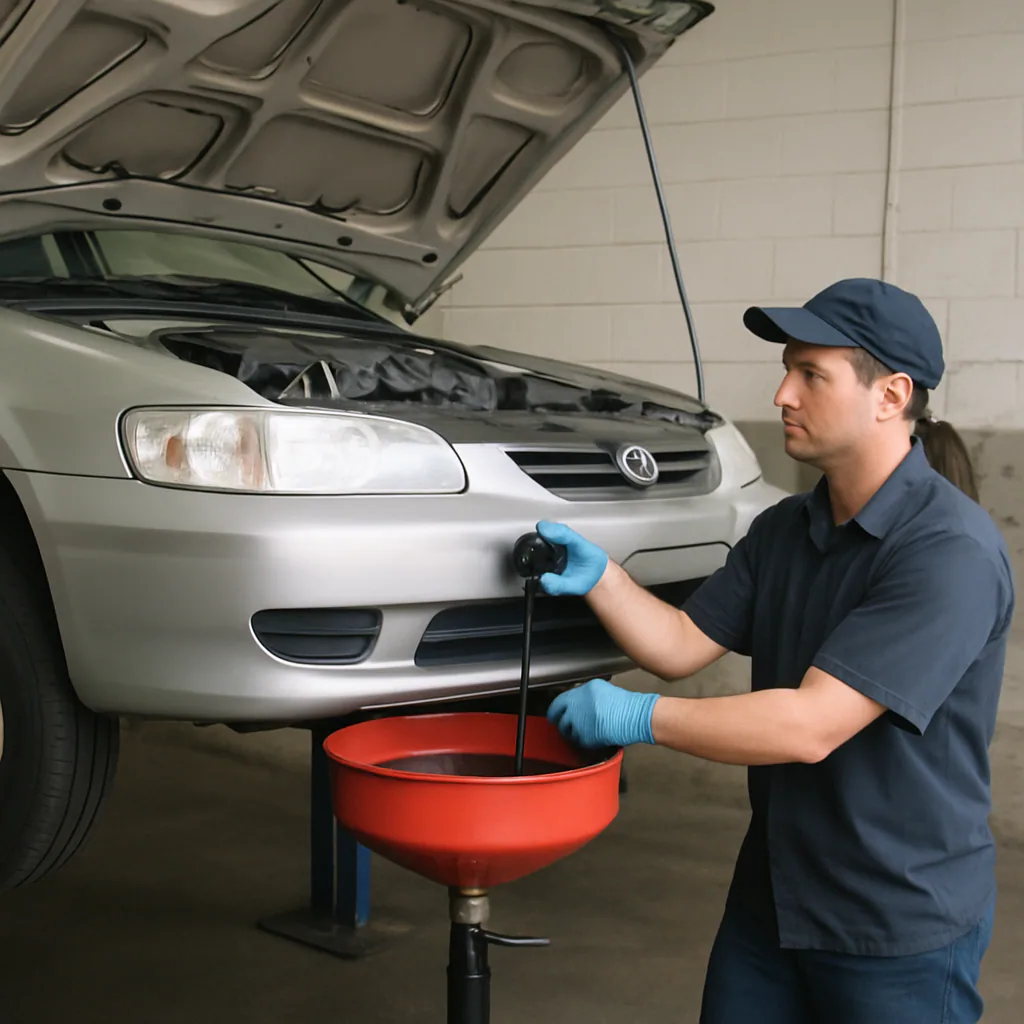
How long do oil changes take at a shop vs. mobile service?
The "oil change" itself can be fast, but the total time you spend is usually driven by logistics:
- Shop: check-in + queue + service + payment/keys.
- Mobile mechanic: scheduling + mechanic travel/arrival window + service + cleanup.
That's why two people can get the same work done and walk away with very different answers to how long does oil change take.
Average oil change time (by scenario)
What can make an oil change take longer?
Even when the job is straightforward, a few common variables can stretch the clock:
- Vehicle design: undertrays/skid plates, tight filter placement, larger oil capacity, specialty filters.
- Oil type: synthetic vs. conventional doesn't always change labor time, but can influence what's stocked and how the service is billed/processed.
- Condition issues: stuck filter, rounded drain plug, stripped threads, leaks discovered during service.
- Add-ons: tire rotation, cabin/engine air filter, top-offs, wiper blades, courtesy inspection.
- Timing: lunch-hour rush and weekend peaks can turn a "fast oil change" into a long wait.
Want a price for your car?
Text us what you need. Nearby independent mechanics bid. You see the first bid, and a later one only if it is lower. You pay when the work is done.
Mobile oil change: what affects the timeline most
For an at-home service, the mechanic's workflow is efficient, but time can vary based on where the car is and what the mechanic can access safely.
- Parking and access: a flat, safe spot with room to work speeds everything up
- Warm engine vs. cold: warm oil drains faster, within safe handling limits
- Underbody panels: removing and reinstalling panels adds time
- Parts availability: having the right oil and filter confirmed ahead of time avoids delays
- City logistics: in dense areas like Chicago, traffic and parking can affect when a mechanic arrives
What happens during an oil change (step-by-step)
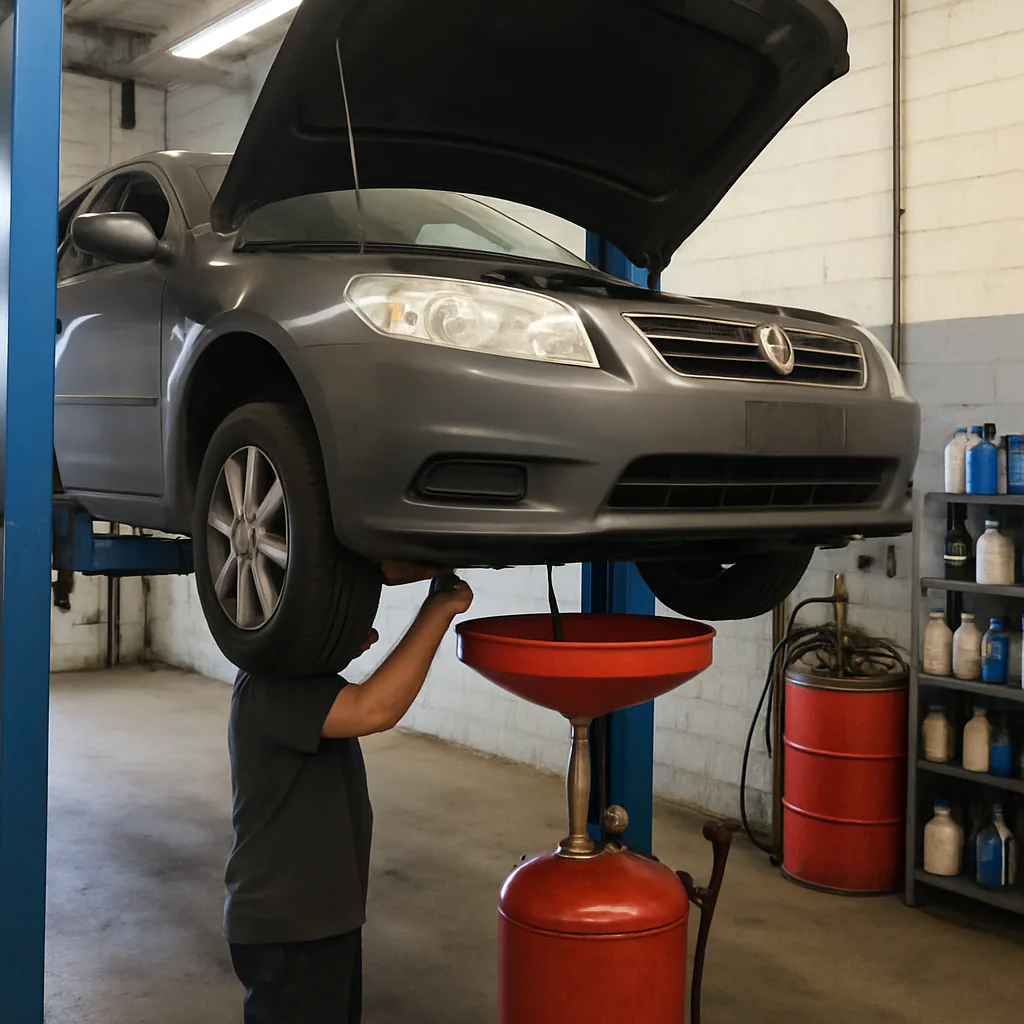
Whether it's a shop or a mobile mechanic, a proper oil change usually includes these core steps:
- Verify the correct oil spec/viscosity and filter for your vehicle.
- Drain used oil completely.
- Replace the oil filter (and gasket/seal as required).
- Refill with the correct amount of new oil.
- Start the engine briefly, check for leaks, and verify the level.
- Reset the maintenance reminder if applicable.
- Dispose of used oil and filter properly.
How to get a quick oil change experience (without cutting corners)
If your goal is a quick oil change that's still done correctly, focus on reducing friction before the mechanic ever touches the car:
- Book an appointment (or choose a set arrival window): it's the easiest way to avoid peak-time delays.
- Confirm vehicle details: year/make/model/engine so the right oil and filter are used.
- Make the car accessible: unlock the hood, move items that block access, and choose a safe work area.
- Decide upfront on add-ons: combining services can be smart, but it will increase total time.
Using a Mobile Mechanic Marketplace: What to Expect
On a marketplace that connects you with nearby mobile mechanics, the process looks like this:
- Request a quote: share your vehicle details and location, or text (219) 533-8844
- Review bids: you see the first bid, and a later bid only if it is lower. You can accept, wait for a new bid, or walk away
- Schedule: pick the time that fits your day. Availability depends on the mechanics near you
- Service at your location: the mechanic does the oil change and you are charged when the work is done
If you want the quickest possible oil change, choose a location with easy access, such as a driveway, a reserved spot or a safe parking area, and confirm your vehicle details ahead of time so the right oil and filter are on hand.