There are few things more frustrating than sliding into your driver’s seat, turning the key (or pushing the start button), and hearing an unexpected series of clicks. Your commute is immediately paused, and a wave of panic sets in. You might find yourself frantically searching your phone, typing in, “Why does my car make a clicking noise but wont start?”
You are not alone. This is one of the most common automotive issues drivers face worldwide. To get your vehicle back on the road, you first need to decode the exact sound your vehicle is making. When you set out to diagnose “clicking when starting” (single click vs rapid clicks) and what each pattern usually means, you are actually performing a fundamental electrical check of your vehicle's starting system.
In this comprehensive guide, we will break down the car clicking sound meaning, walk you through step-by-step troubleshooting, and provide actionable tips to get your engine roaring back to life.
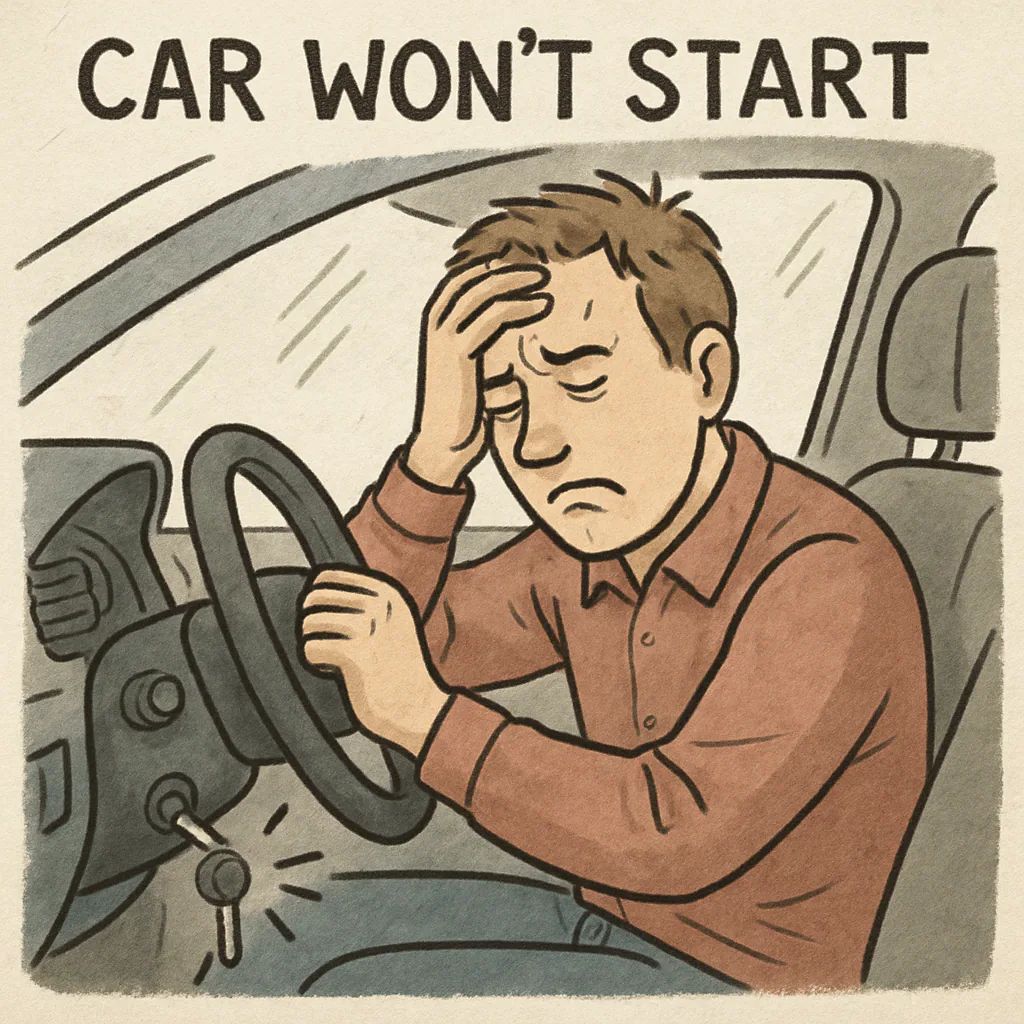
The Basics: Decoding the Clicking Sound
Whenever you initiate the ignition sequence, a chain reaction occurs. Power flows from your battery, through a relay, down to the starter solenoid, which then bridges a high-current connection to spin the starter motor. If any link in this chain fails or lacks sufficient power, the mechanical parts cannot operate as designed, resulting in an audible clicking noise.
Understanding the difference between single click and fast clicking is your most powerful diagnostic tool. It narrows your search from the entire engine bay down to a few specific components.
Rapid Clicking Sound When Turning Ignition
If you turn the key and hear a fast, machine-gun-like stutter (click-click-click-click-click), you are dealing with a rapid click pattern.
What it means: A rapid clicking sound when turning ignition almost universally points to a lack of electrical power. Specifically, your starter solenoid is receiving just enough juice to push its internal plunger forward, but the moment it tries to draw the massive amount of current needed to spin the heavy starter motor, the voltage drops to zero. The solenoid springs back, the voltage recovers, and the cycle repeats instantly.
Common causes:
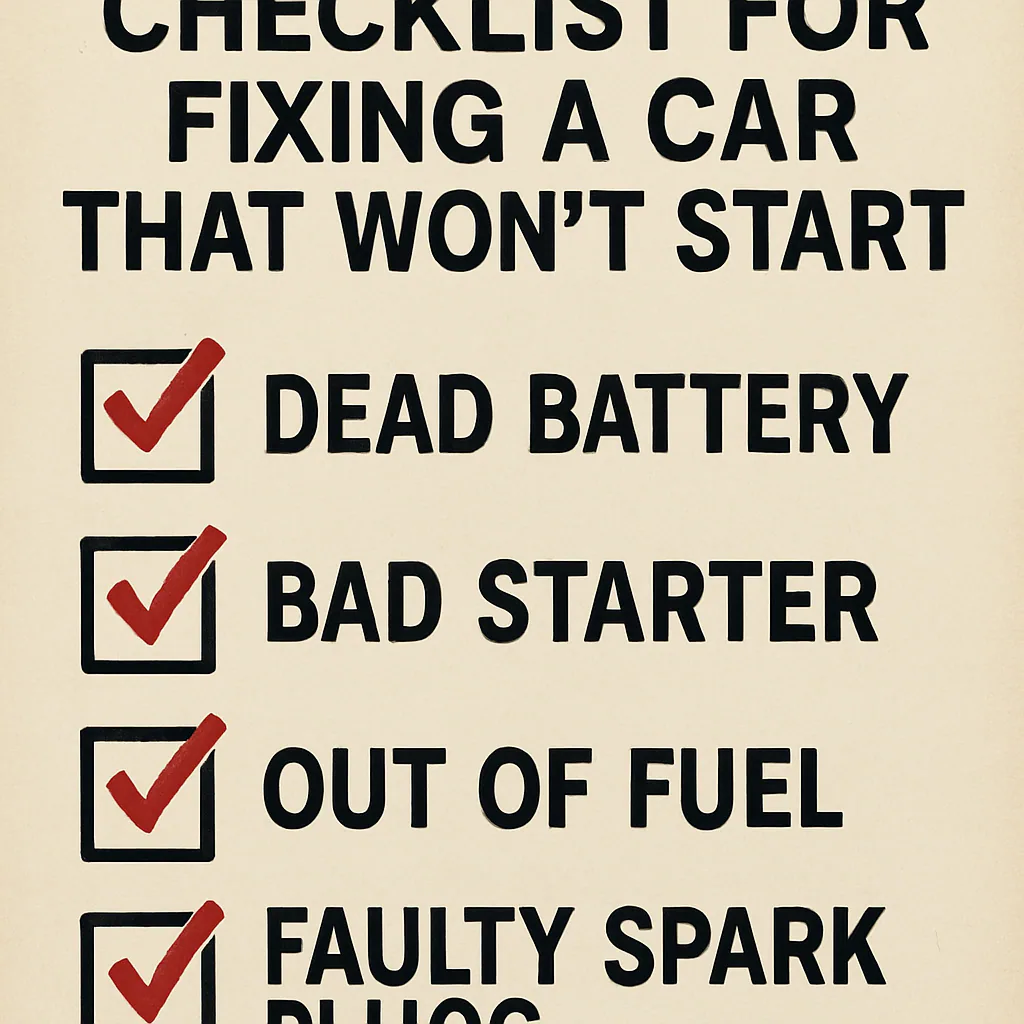
- A weak or dead battery
- Severely corroded or loose battery terminals
- A loose ground wire
Often, people are confused by this scenario and state, "My car wont start but lights come on." It is vital to understand that dashboard lights and headlights require less than 20 amps of power. Your starter motor requires upwards of 200 to 300 amps. Just because you have enough power to illuminate your dash does not mean you have enough power to crank a heavy metal engine.
Single Loud Click Car Wont Start
On the other end of the spectrum is a single, definitive "thud" or click when you turn the key.
What it means: If you experience a single loud click car wont start scenario, the issue is usually mechanical or heavy electrical. A strong, solitary click tells you that full electrical power is successfully reaching the starter solenoid. The solenoid is activating (which makes the loud click), but the internal motor fails to spin. Common causes:
- A faulty starter motor (worn-out internal brushes)
- A jammed starter solenoid
- A seized engine (rare, but possible)
- An electrical connection at the starter that is tight enough for the solenoid but too corroded to pass high current to the motor.
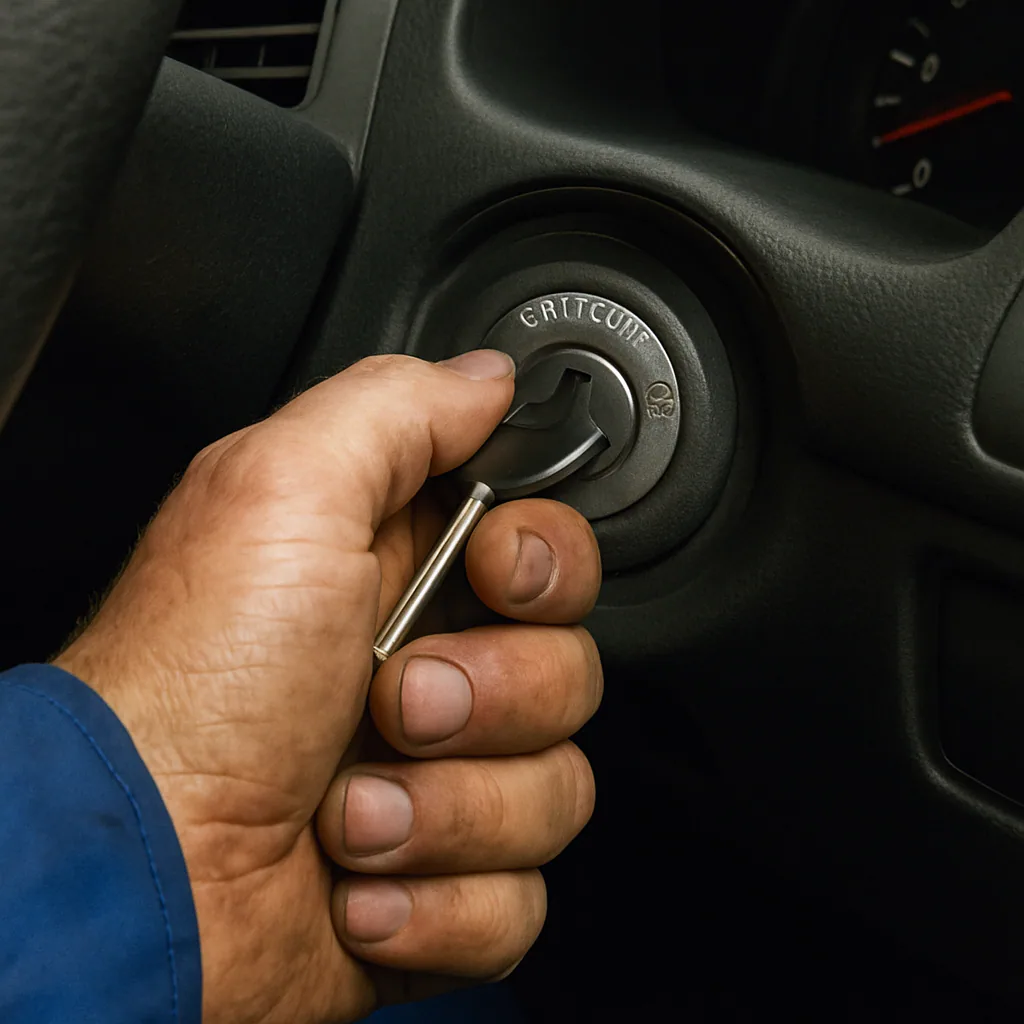
Bad Battery vs Bad Starter Diagnosis
Now that you know how to interpret a clicking sound while starting car, you can begin the physical bad battery vs bad starter diagnosis.
Before getting your hands dirty with complex tools, try the Headlight Test:
- Turn on your headlights to their brightest setting.
- Attempt to start the vehicle.
- Observe the headlights.
If the headlights dim significantly or completely turn off when you hear the clicking, you are looking at classic low voltage car battery symptoms. The starter is trying to pull power, but the battery cannot supply it. If the headlights remain bright and do not dim at all while you hear a single click, your battery is likely fine, and the starter or solenoid is the culprit.
Step-by-Step Troubleshooting Guide
Let's dive into actionable ways to test, fix, and replace the components causing that dreaded clicking sound when turning car on.
1. Check Your Battery Health and Connections
Your first physical stop should always be the battery under the hood.
Visual Inspection and Cleaning: Check the terminals (the metal posts where the cables attach). Are they covered in fluffy blue, green, or white powder? This corrosion acts as an insulator, preventing power from flowing to the starter. Cleaning corroded battery terminals is simple:
- Disconnect the negative (-) terminal first, then the positive (+) terminal.
- Mix a tablespoon of baking soda with a cup of water.
- Pour the mixture over the terminals and use a stiff wire brush to scrub the metal clean.
- Rinse with clean water, dry thoroughly, and reconnect (positive first, negative last).
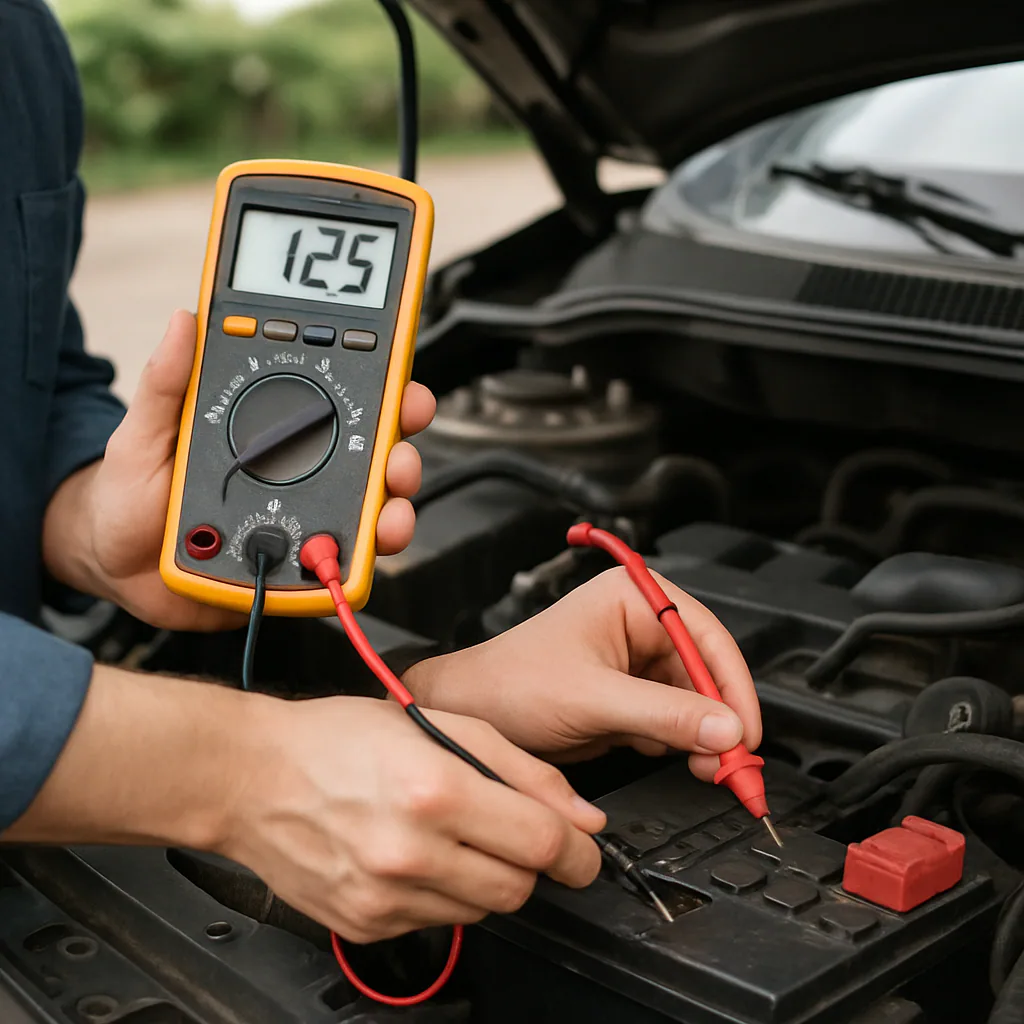
Testing the Battery: If the terminals are clean, you need to measure the voltage. Knowing how to use a multimeter to check battery health will save you hours of guesswork.
- Set your digital multimeter to DC Voltage (usually marked as 20V DC).
- Touch the red probe to the positive battery post and the black probe to the negative post.
- A fully charged battery will read roughly 12.6 volts.
- If it reads under 12.0 volts, the battery is discharged and needs to be recharged or replaced.
The Quick Fix: If your battery is just dead, jump starting a car safely is your immediate solution. Remember the proper order to avoid sparks and blown fuses:
- Connect the Red clamp to the dead battery's positive terminal.
- Connect the other Red clamp to the donor battery's positive terminal.
- Connect the Black clamp to the donor battery's negative terminal.
- Connect the last Black clamp to an unpainted metal surface on the dead car's engine block (not the negative terminal, to prevent sparking near battery gases). Start the donor car, wait a few minutes, and try starting your car.
2. Investigate the Starter and Solenoid
If the battery tests perfectly but you still hear a single click, your attention must turn to the starter assembly.
The "Tap" Trick: If your starter motor has worn out internal brushes (often known as "dead spots"), a gentle tap might get you home. Take a heavy object, like a hammer or a tire iron, and give the body of the starter motor a few firm (but not damaging) taps while an assistant turns the key. The vibration can temporarily realign the internal brushes, allowing the car to start. If this works, your starter is failing and must be replaced immediately.
Bench Testing: If you want to know exactly how to test a car starter solenoid, you will need to bypass the car's wiring. (Note: This involves high current and should only be done by those comfortable with automotive electrical systems.) Using a remote starter switch or by bridging the large battery terminal on the starter to the small "S" (ignition) terminal on the solenoid, you can test if the starter spins. If you bridge these and still just hear a single click, the starter/solenoid unit is completely dead and requires replacement.
3. Examine the Relays and Ignition System
Sometimes, the clicking sound isn't coming from under the hood, but rather from the fuse box or dashboard.
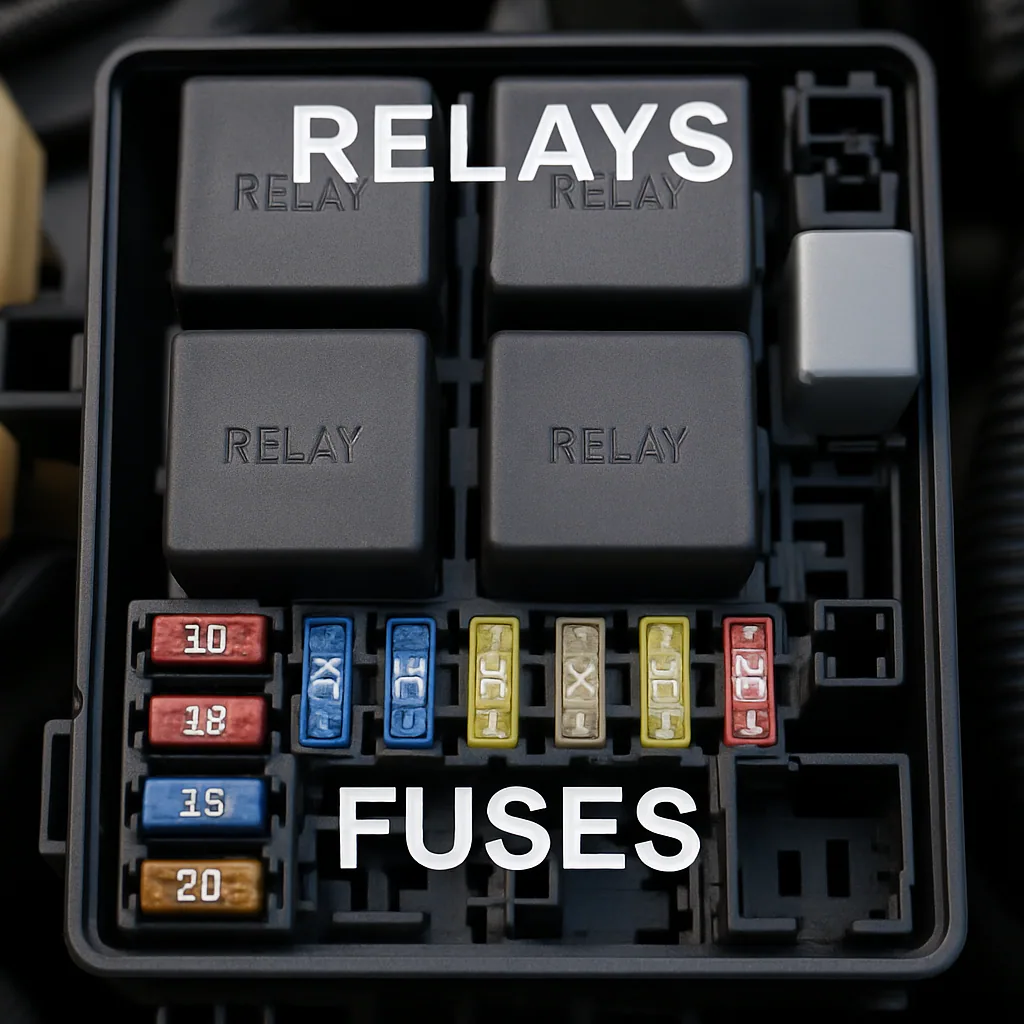
Starter Relay Issues: A starter relay acts as a bridge. When you turn the key, a small amount of power closes the relay, which then sends a larger amount of power to the starter solenoid. If the relay fails, you might hear a very faint click from the fuse box, but nothing else. A standard starter relay troubleshooting guide suggests finding the starter relay in your fuse box (consult your owner’s manual) and swapping it with an identical relay from a non-essential system (like the horn or rear defroster). If the car suddenly starts, you've found a cheap and easy fix.
Ignition Switch Failures: If turning the key results in inconsistent behavior-sometimes a click, sometimes absolute silence, or if the dashboard lights flicker erratically as you jiggle the key-these are classic ignition switch failure symptoms. Over time, the heavy weight of keychains or simply thousands of cycles can wear out the electrical contacts inside the ignition cylinder behind the steering wheel.
Want a price for your car?
Text us what you need. Nearby independent mechanics bid. You see the first bid, and a later one only if it is lower. You pay when the work is done.
The Aftermath: Why Did the Battery Die?
If you determined that rapid clicks were the issue and you successfully jump-started the vehicle, your job isn't done. You must figure out why the battery lost its charge in the first place. A battery rarely dies without a reason.
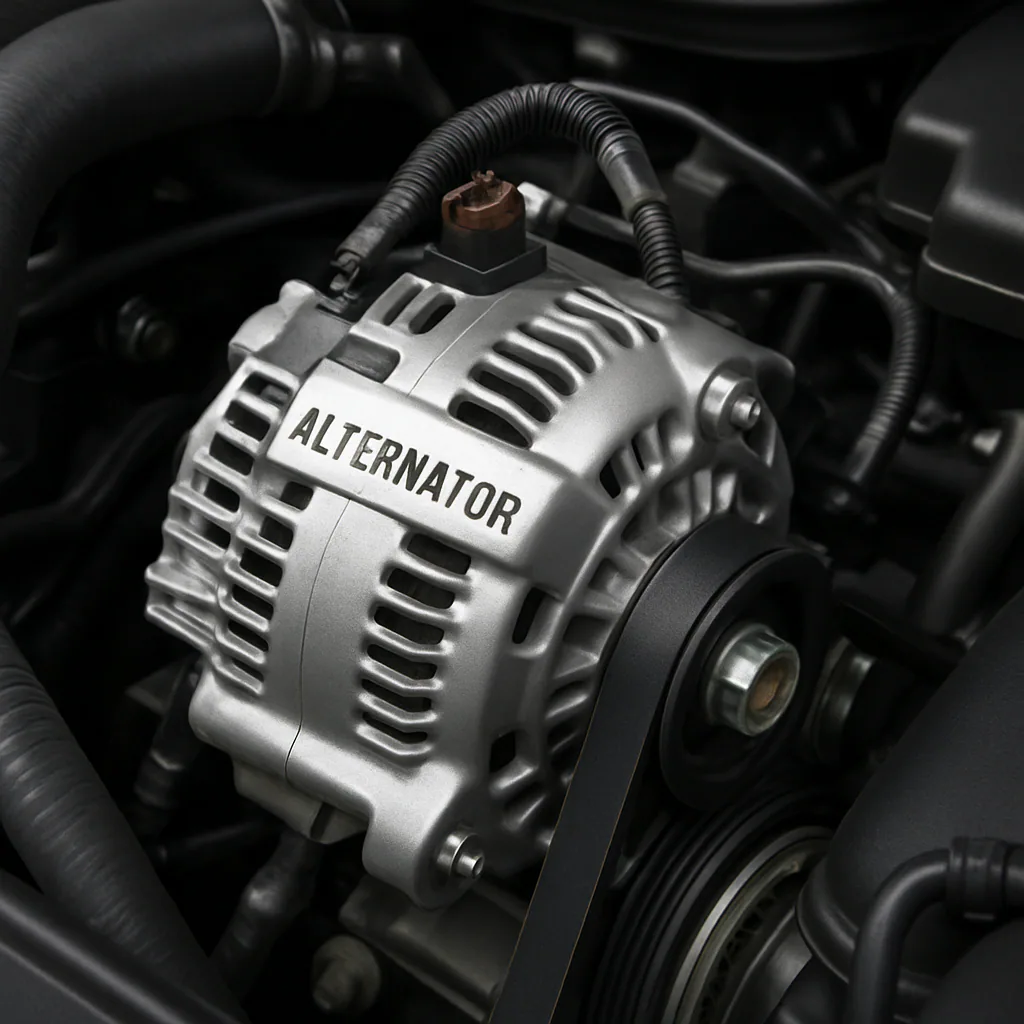
Testing the Alternator
While driving, the alternator is responsible for supplying electrical power to the vehicle and recharging the battery. If it fails, your car runs solely on battery power until it dies, leading to the clicking scenario. An alternator charging system test is incredibly straightforward once the car is running. Take your multimeter and test the battery terminals again while the engine is idling.
- A healthy alternator should push out between 13.7 and 14.7 volts.
- If the reading remains in the 12-volt range or drops as you turn on accessories (like the AC and radio), your alternator is not charging the system. The alternator will need to be replaced, or you will find yourself stranded with rapid clicks again tomorrow.
Hunting Down Parasitic Drains
What if the alternator tests perfectly, the battery is brand new, but every morning you wake up to rapid clicking? This points to a hidden electrical draw.
A parasitic battery drain diagnosis is required when a component in your car fails to shut off after you remove the key. It could be a stuck relay, a glovebox light that stays on, or a faulty aftermarket radio draining power overnight. To diagnose this:
- Ensure the car is off, doors are closed, and the key is removed.
- Disconnect the negative battery cable.
- Set your multimeter to measure Amps (current).
- Place the multimeter in series: connect one probe to the negative battery post and the other to the disconnected negative cable.
- Wait about 15-20 minutes for the car's computers to go to "sleep."
- Read the meter. A normal draw is around 20 to 50 milliamps (0.02 - 0.05 Amps). If you see a draw of 0.5 Amps or more, something is draining your battery.
- To find the culprit, have an assistant pull fuses one by one from the fuse box while you watch the meter. When the amperage drops to a normal level, the circuit associated with that fuse is your problem area.
Actionable Summary: What to Do Next
If you are currently stranded, here is a quick summary of what to do right now:
- Listen Closely: Diagnose “clicking when starting” (single click vs rapid clicks) and what each pattern usually means for your immediate next steps.
- Rapid Clicks? Check your battery. Turn on the headlights and crank the engine. If they dim, look for a jump start. If the terminals are dirty, grab a brush or a tool and clean them.
- Single Loud Click? Check your starter. It’s likely a mechanical bind or a dead starter motor. Locate the starter under the engine and give it a firm tap with a heavy object while someone tries to start the car.
- Faint Clicks from the Dash? Swap the starter relay in the fuse box and ensure your ignition switch isn't feeling loose or acting erratically.
Need a Hand? Ask a Mobile Mechanic
If you are not sure whether the problem is the battery, the starter or the alternator, a mobile mechanic can test all three at your location. Get free quotes or text (219) 533-8844. Nearby mechanics bid, you see the first bid and a later one only if it is lower, and you pay when the work is done. How soon a mechanic can come depends on availability. Text us anytime, day or night. Mechanics are usually available around the clock, depending on their schedules.