Back to Blogs
Finding Reliable Brake Repair Services Near Me
You are approaching a red light, you press the pedal, and a high-pitched squeal suddenly makes everyone on the corner look at your vehicle.
TravelMechanic Team
April 28, 2026
9 min read
You are approaching a red light, you press the pedal, and a high-pitched squeal suddenly makes everyone on the corner look at your vehicle. While deeply annoying, that sound is actually your car communicating with you. Automotive engineers intentionally design a small metal tab into brake pads called a wear indicator. According to common industry standards, this tiny piece of metal exists solely to scrape against the wheel components and warn you before the pad completely wears out.
Friction-based stopping power drives this entire system. Think of your brake pads like pencil erasers rubbing against a moving surface to slow down your vehicle. Just as an eraser naturally disappears with use, your brake components sacrifice a little bit of material every time you stop. Knowing that brakes are a wearable part means understanding that this gradual thinning is entirely normal, rather than a catastrophic mechanical failure.
Addressing these noises early prevents minor maintenance from turning into expensive damage. Searching for reliable local brake services---by looking up brake repair services near me or car brake services near me---is the first step toward transforming that daily noise anxiety back into a quiet, confident drive. Ignoring these built-in warning sounds will eventually lead to deeper grinding noises, which clearly signal that the protective friction material is completely gone.
Finding a trustworthy mechanic does not require an engineering degree or hours of exhausting research. Evaluating local shops based on warranties, certifications, and customer reviews guarantees a transparent process. Armed with the right questions, you can confidently choose the best brake repair services and ensure you receive fair pricing. For a deeper breakdown, review our mobile brake repair guide.
Summary
This guide explains what brake noises and warning lights mean, how pads, rotors, and fluid work, and when issues like vibrations or spongy pedals signal service. It compares pad materials (ceramic vs. semi-metallic), clarifies resurfacing vs. replacement, and shows how to estimate fair costs while avoiding low-quality parts or shortcuts. You will learn how to vet mobile and local shops using certifications, warranties, equipment, and reviews, and adopt simple maintenance habits to extend brake life. Action steps help you document symptoms, ask the right questions, and confidently find reliable brake repair services near you.
Decoding Your Dashboard: What That Red Brake Warning Light Really Means
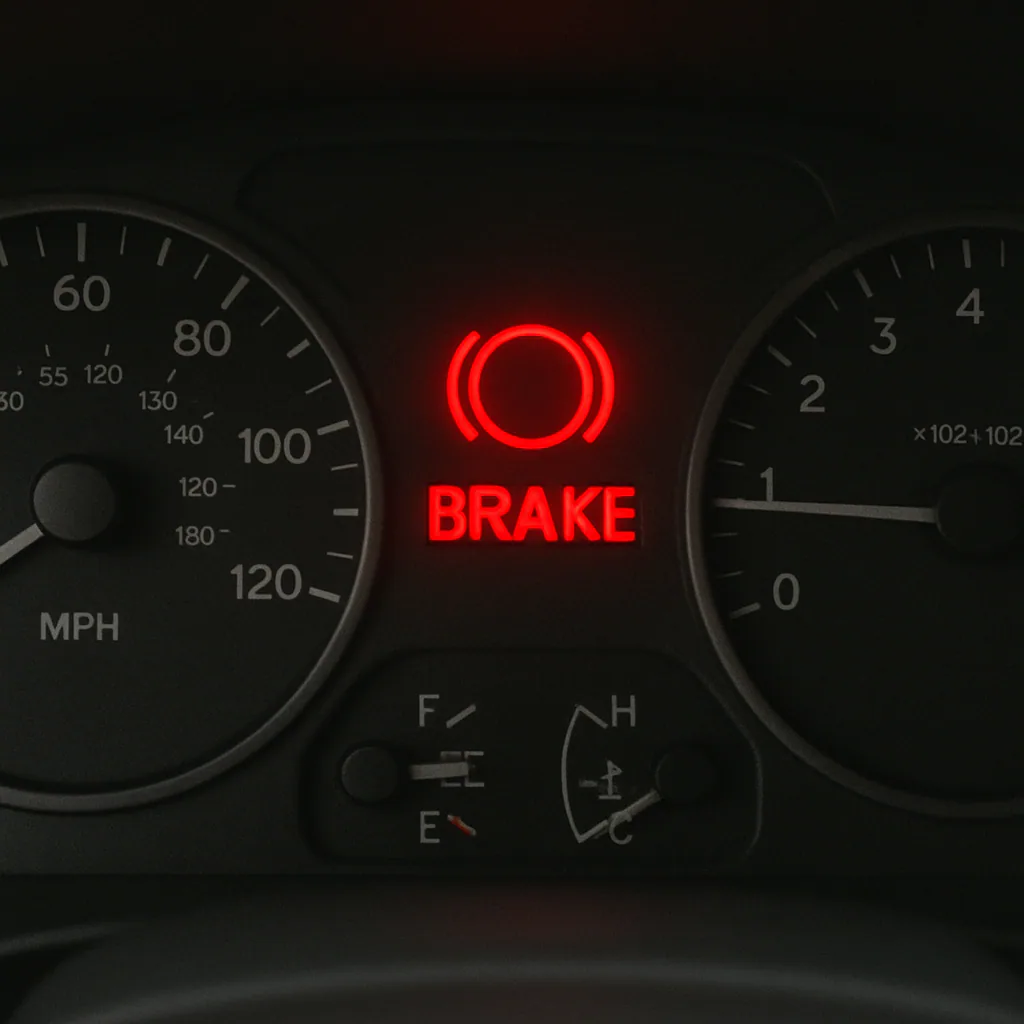
Seeing a new symbol glow on your dashboard can instantly ruin a peaceful drive. That bright red circle with an exclamation mark is your car's computer flagging an immediate safety issue, not a mere suggestion. Figuring out what the brake warning light means starts with a quick process of elimination and often points to a brake warning light inspection.
Fortunately, narrowing down the culprit usually points to three common triggers:
The Parking Brake: The most frequent cause is simply a handbrake that isn't fully released.
Low Fluid: Brakes use a "liquid connection" to function. Sudden hydraulic pressure loss from a leaky tube instantly triggers the warning.
System Failure: This indicates a malfunctioning wheel sensor or a deeper mechanical fault.
If the parking brake is off, perform a one-minute visual check under the hood to see if the clear plastic brake fluid reservoir is below the minimum line. If the fluid looks fine, a mechanic will run an anti-lock braking system diagnostic. This straightforward process involves plugging a scanner into your car's computer to read the exact error codes safely.
Clear communication with your local repair shop becomes much easier once you understand these basic alerts and the physical warning signs your vehicle gives you on the road.
Beyond the Squeak: Solving Steering Wheel Shivers and Spongy Pedals
Feeling a violent shake when slowing down is unnerving. One of the most common causes of steering wheel vibration when braking is a warped rotor. Rotors are the smooth metal discs your brakes squeeze to stop the car. Extreme heat can warp these discs, turning a flat surface wavy and jolting your steering column every time you apply pressure.
Other times, the warning is a sinking feeling under your foot. Soft or spongy brake pedal troubleshooting starts with understanding hydraulic compression. Because pure brake fluid cannot be compressed, it instantly transfers force from your pedal to the wheels. However, if air enters the system, that air compresses instead of moving the fluid, creating a dangerous delay, which is why a spongy brake pedal inspection is important.
Recognizing the signs your brake lines have air bubbles ensures you get help before losing power. Watch for:
Spongy feel: The pedal feels mushy, much like stepping on a wet sponge.
Increased travel: You must push the pedal closer to the floorboards to engage the brakes.
Erratic stopping: The vehicle noticeably takes much longer to halt safely.
Fortunately, modern vehicles have built-in backups. If a leak occurs, your car relies on a dual master cylinder hydraulic system. This pump splits power into two separate circuits, preventing total brake failure.
The Mechanics of Stopping: Why Your Car Needs Pads and Rotors to Work Together
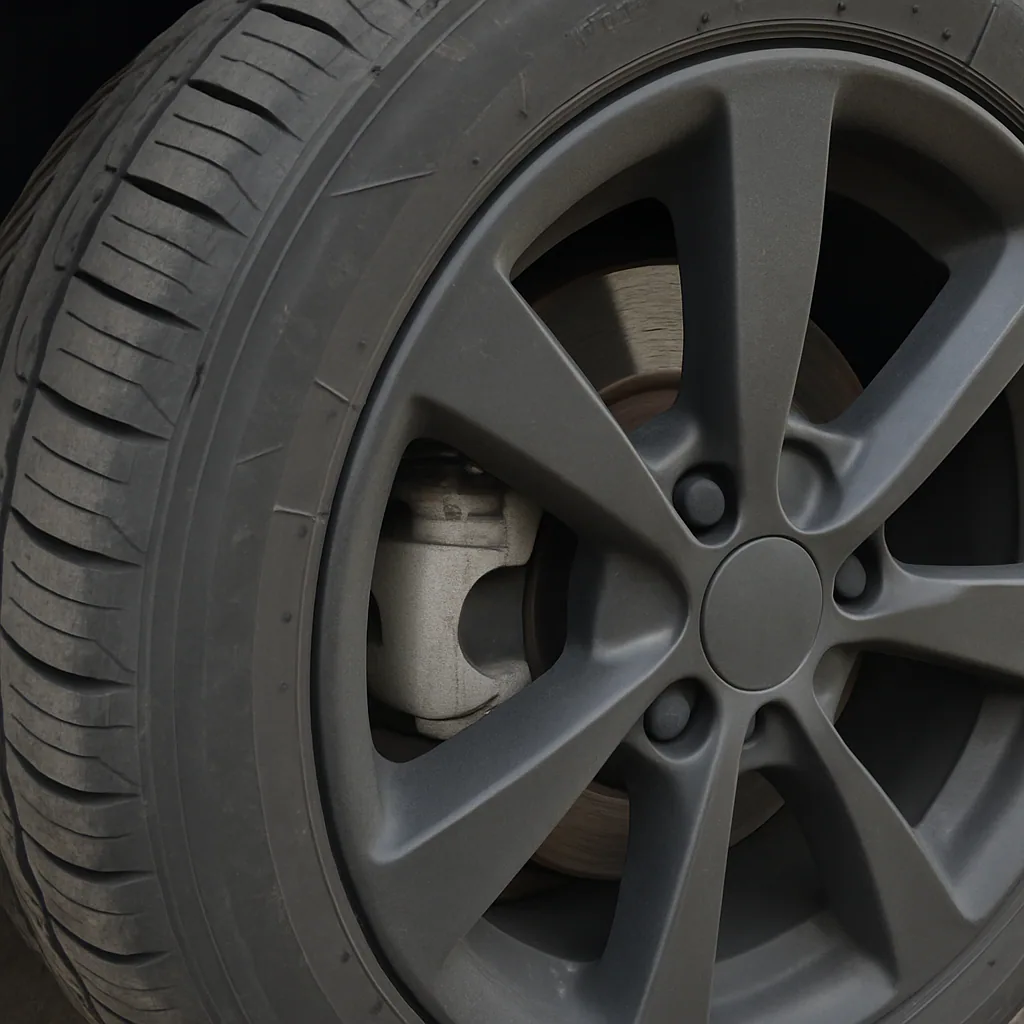
Every time you brake, you rely on a simple concept: friction. Your brake pads act like pencil erasers pressing against a spinning surface. Over time, these pads naturally wear away. You can often spot this by looking through your wheels; if the friction material looks thinner than a quarter, it is time for an inspection.
Those spinning metal discs are called rotors, functioning much like a bicycle wheel's metal rim. When the soft pads squeeze the hard rotor, the friction generates intense heat. This heat can eventually leave the rotor grooved or wavy, causing your steering wheel to shake.
When fixing this damage, mechanics decide between smoothing the metal or replacing it entirely. Figuring out how to tell if rotors need resurfacing instead of replacement depends on their thickness. Resurfacing simply shaves a microscopic layer of metal off to restore a perfectly flat face, saving money if the rotor remains thick enough.
Some vehicles use a bowl-shaped brake drum in the back rather than a flat disc. Shops perform precision brake drum machining services to smooth out these inner layers when they become scored. Knowing whether your hardware needs a quick smoothing or total replacement helps you make informed choices about new components.
Choosing Your Parts: Ceramic vs. Semi-Metallic Brake Pads Explained
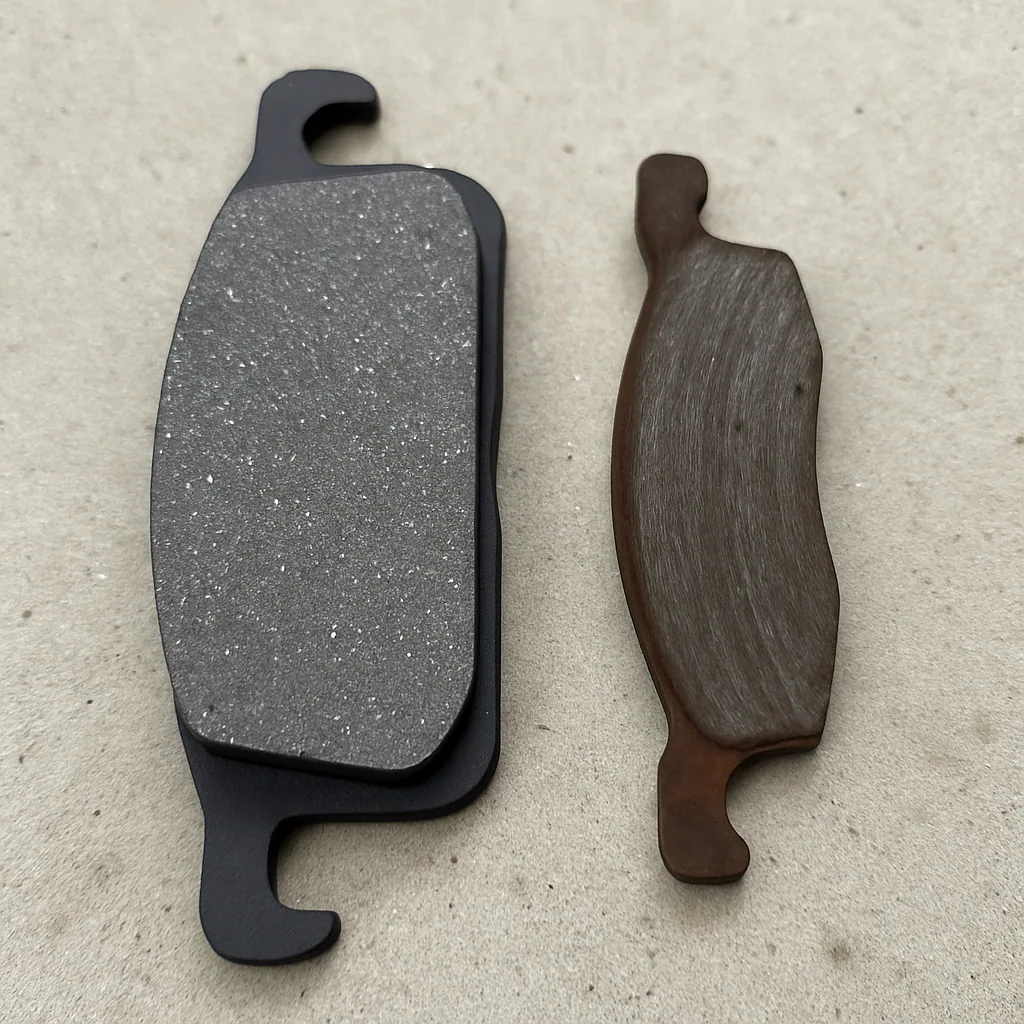
When those pads squeeze the rotor, they generate massive heat. How well your car handles that temperature---and how noisy it gets at stoplights---depends entirely on the pad's material. When reviewing a repair quote, you will likely see a choice between ceramic vs semi-metallic brake pads. Semi-metallic options contain steel or copper fibers that excel at pulling heat away from the system, making them incredibly durable for heavy braking.
For most daily drivers navigating stop-and-go traffic, however, ceramic is usually the better fit. Here is a quick breakdown of your options:
Ceramic Pads: Extremely quiet and produce almost no visible wheel dust, but they generally cost a bit more upfront.
Semi-Metallic Pads: Highly durable and great at managing heat, but they tend to squeak more and leave dark residue on your rims.
Beyond picking the material, your mechanic might ask if you prefer original equipment manufacturer vs aftermarket brake parts. Original Equipment Manufacturer (OEM) parts are designed by your car's builder, offering a guaranteed fit at a premium price. Aftermarket parts are built by third parties; while cheap bargain brands exist, premium aftermarket options often outlast factory parts for less money. Understanding what goes into your wheels gives you a distinct advantage when estimating repair costs.
Navigating the Bill: How to Estimate Brake Repair Costs Without the Stress
Opening the mechanic's quote can feel stressful, but understanding the numbers is simple. Mechanics perform repairs by the "axle," meaning they service either the front two wheels or the back two as a pair. Because your front wheels handle most of the vehicle's stopping weight, those pads wear out faster. You will rarely need to pay for all four corners simultaneously.
Your bill is split between physical parts and the mechanic's time. A standard job requires one to two hours of work per axle. However, labor times vary heavily because complex vehicles require specialized tools and extra time to disassemble. Knowing your car's basic complexity helps you find accurate brake pad replacement cost estimates rather than relying on generic online calculators.
Tempting as it is to hunt for the absolute cheapest brake shops near me, rock-bottom prices often hide expensive shortcuts. Budget service centers frequently install low-tier components that squeal loudly or wear out prematurely. A suspiciously cheap labor charge might also indicate the technician skipped crucial maintenance steps, ultimately costing you more in future repairs.
To ensure a fair deal, ask the service advisor three direct questions: which specific brand of parts they are installing, what their hourly labor rate is, and what warranty covers the service. With these details clarified, you can confidently vet potential mechanics.
Vetting the Professionals: How to Choose Between Mobile Repair and Local Brake Shops
Deciding where to fix your vehicle---between mobile mechanics and local brake shops near me---depends on your daily schedule and the problem's severity. Traditional garages offer heavy-duty equipment for complex issues, while a newer option brings the service directly to you. Mobile mechanics can easily swap simple pads and rotors right in your driveway, saving you a stressful trip across town.
Convenience does have its limits, though. If your car requires deep hydraulic diagnostic work, a brick-and-mortar shop's controlled environment is usually safer. Whether choosing a local garage or driveway service, always verify credentials. Checking certified mobile brake repair technician qualifications ensures the person turning the wrench has proven expertise.
Before booking, use this quick checklist to find reliable brake repair services near me:
Certifications: Look for an ASE (Automotive Service Excellence) seal, the national standard proving the mechanic passed rigorous testing.
Warranty: Quality professionals guarantee their labor and replacement parts.
Reviews: Read recent local feedback specifically mentioning honest pricing.
Equipment: Ensure mobile techs carry the proper diagnostic tools for your specific vehicle.
Trusting your chosen professional removes maintenance anxiety, but how you drive afterward matters just as much. Once those fresh parts are installed, a few smart driving habits will protect your wallet from future repairs.
Extending Your Brake Life: 3 Habits That Save You Money on Future Repairs
Catching a problem early keeps repair costs manageable. Hearing squeaking brakes when stopping at low speeds isn't just annoying; it is a built-in alert. Brake pads feature tiny metal indicators that chirp when they get dangerously thin, signaling you to swap them out before they grind into your expensive metal rotors.
The liquid powering this stopping system requires attention, too. Drivers frequently ask how often brake fluid should be flushed, and the answer involves a hidden chemical threat. Brake fluid naturally acts like a sponge, absorbing water from the air over time. This trapped moisture rusts internal parts and breaks the solid liquid connection, creating a dangerously mushy pedal that can require a brake system flush.
When replacement becomes necessary, smart shoppers know how to protect their wallets. Leveraging the benefits of lifetime brake warranty programs saves significant money down the road. Many reputable shops guarantee the physical pads, meaning you only pay for the mechanic's labor when those replacement parts eventually wear out again.
To avoid surprises, follow this basic maintenance routine:
Brake Fluid: Flush every 2 years.
Brake Pads: Check every 6 months.
Staying proactive keeps your vehicle out of the shop and safely on the street.
Frequently Asked Questions
First, make sure the parking brake is fully released. If it is, do a quick under-hood check to see if the clear brake fluid reservoir is below the minimum line; low fluid can signal a leak and loss of hydraulic pressure. If fluid looks fine, have a shop run an ABS diagnostic to read error codes and pinpoint a sensor or system fault.
Shaking under braking often points to warped rotors-heat has made the rotor surface wavy, sending vibrations up the steering column. A soft, spongy pedal usually means air in the brake lines, which compresses and delays stopping power; common signs are mushy feel, longer pedal travel, and inconsistent stopping. Modern dual master cylinders help prevent total failure, but you should book service promptly.
Mechanics decide based on rotor thickness and condition. If there is enough material left, resurfacing shaves a thin layer to restore a perfectly flat surface; if they are too thin or badly damaged, replacement is safer. You can also eyeball pad wear-if the friction material looks thinner than a quarter, it is time for an inspection. For vehicles with rear drums, shops can machine the drum surface similarly.
Ceramic pads are typically quieter and create less dust (great for daily driving) but cost a bit more; semi-metallic pads handle heat and heavy use well but can be noisier and dustier. OEM parts guarantee fit at a premium, while quality aftermarket options can match or exceed longevity for less-avoid bargain tiers that squeal or wear quickly. Expect quotes per axle (front or rear) with about 1-2 hours of labor per axle, and ask three specifics: the exact parts brand, the shop's hourly labor rate, and the service warranty. Choose mobile service for straightforward pad/rotor jobs and a full shop for complex hydraulic or diagnostic issues; in all cases, look for ASE certification, clear warranties, recent honest reviews, and proper equipment.