You are staring at your calendar, trying to figure out if you can squeeze a trip to the mechanic into your lunch hour. For most drivers the pressing question is how long a vehicle inspection takes. The answer depends on the type of inspection, the shop's volume and whether your car needs minor adjustments. Ask the provider for an estimate when you book.
A proper vehicle safety check is like a physical exam for your car. Inspectors do more than check your headlights. They test the braking system, check steering components and communicate with the engine's computer to make sure everything runs cleanly.
Where your appointment lands depends on a few variables. State rules on emissions, the shop's daily volume and whether your car needs minor adjustments all affect your total wait. Knowing what happens while your car is out of sight makes the process easier to navigate.
Armed with a realistic view of this process, you can seamlessly fit this legal requirement into your broader vehicle maintenance schedule. Knowing what happens behind the scenes transforms an annoying logistical hurdle into a predictable, stress-free errand.
State Safety vs. Multi-Point: Why Some Checks Take Longer Than Others
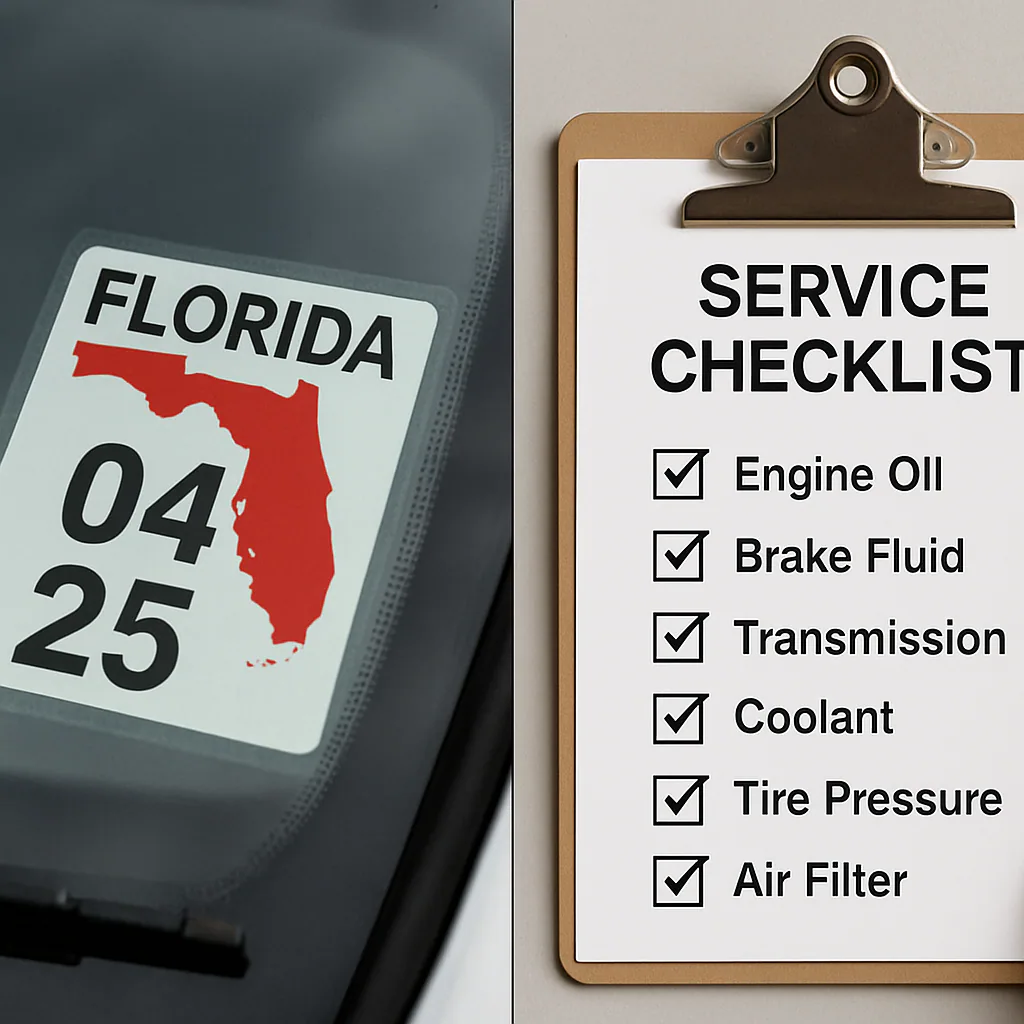
Waiting a long time in a shop lobby when you only needed a quick sticker is a common frustration. It usually happens when drivers confuse a legal safety requirement with routine preventive maintenance. A state safety check is a government-required test to confirm your car is legally safe to drive. A multi-point inspection (MPI) is a voluntary, deeper health check used to catch future wear and tear.
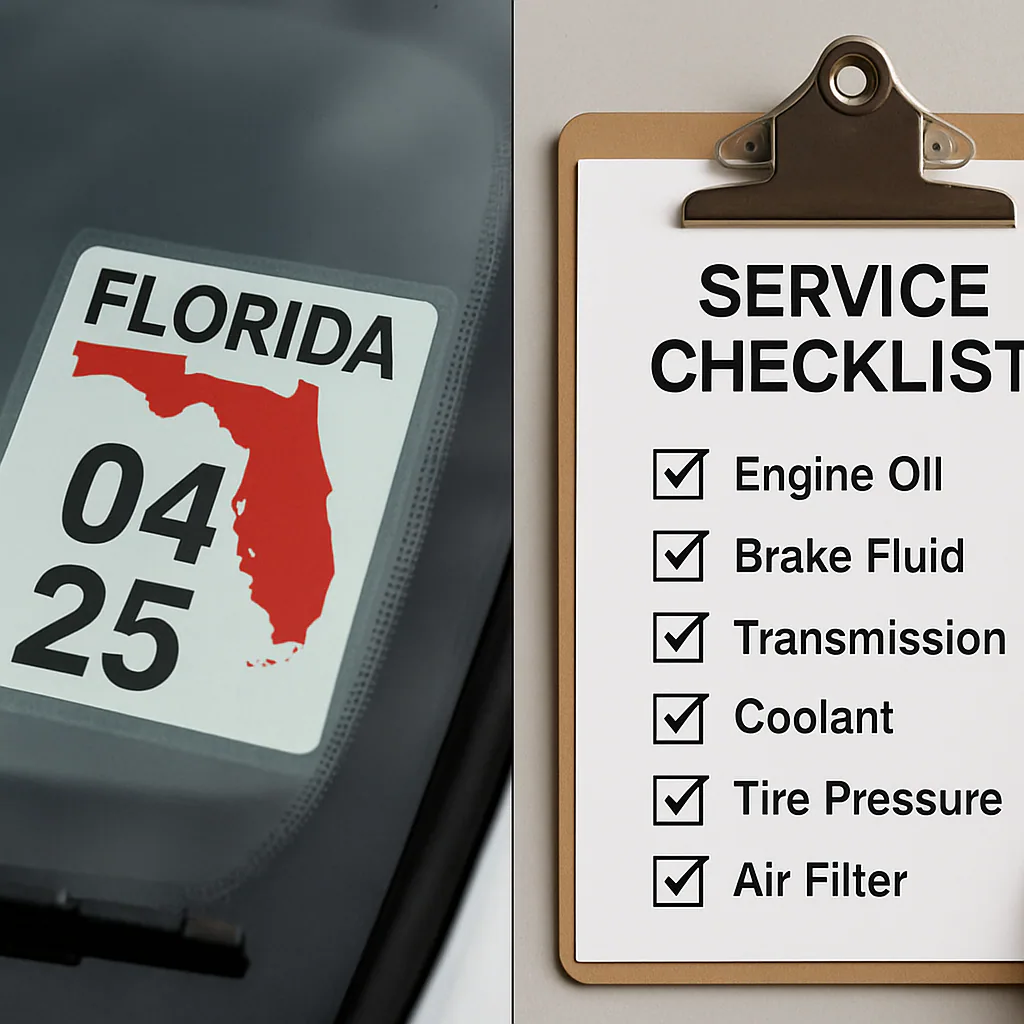
Knowing the difference between a multi-point inspection and a state inspection saves major scheduling headaches. Dealerships typically run both simultaneously, which is exactly why they take significantly longer than dedicated inspection-only stations. Here is how the car safety inspection checklist items differ between the two:
- State Inspection: Focuses strictly on immediate road safety (brakes, headlights, wipers, and horn).
- Multi-Point Inspection: Evaluates long-term vehicle reliability (fluid levels, cabin air filters, and battery health).
To avoid giving up your entire afternoon, clearly communicate your goal to the service desk. If you just need a registration renewal, ask for the state check alone and politely decline the MPI until your next oil change. Once you specify the right service, your timeline becomes highly predictable.
What the Mechanic Does Behind the Scenes During a Standard Safety Check
Handing over your keys often feels like sending your vehicle into a black hole, leaving you wondering how a basic check takes nearly an hour. The reality is that mechanics follow five highly choreographed stages rather than randomly scanning for problems. Think of this process like a medical physical for your car, moving systematically from the outside in to ensure nothing is missed.
The evaluation begins with the visible checks, including the horn, wipers and headlights, before the technician pops the hood. These foundational items are tested by physically activating them, not just looking at them.
Once the surface is cleared, the vehicle goes onto a lift for the crucial undercarriage safety review. This elevated check reveals hidden hazards like leaking brake lines or loose suspension joints, which are strictly regulated items required for car inspection. Mechanics cannot verify the structural integrity keeping you safe on the highway without physically looking underneath. Finally, part of your total wait is administrative work, because technicians log their results into a database. After the paperwork, another system check often remains.
The Digital Handshake: Why Emissions Testing Can Add to Your Wait
Plugging into your vehicle's onboard computer is a required step for emissions testing. The technician's system must perform a "digital handshake" with your car to verify its internal self-tests, known as readiness monitors, are complete. If your computer refuses the handshake, the process halts, which can add days to your schedule.
Passing a vehicle inspection on the first try requires knowing what disrupts this vital communication. Even if your engine runs perfectly, its monitors will quietly reset to an "incomplete" status for three common reasons:
- Replacing a dead battery or temporarily disconnecting it for routine maintenance.
- Recently using a diagnostic scanner to clear a dashboard "Check Engine" light.
- Taking only brief, low-speed trips that prevent the engine from properly heating up (short drive cycles).
Resolving this digital hiccup requires completing a formal "Drive Cycle", a specific mix of highway and city driving over a few days so the computer can finish its background checks. While emissions checks focus on these baseline legal requirements, other evaluations look much deeper.
Pre-Purchase vs. Rideshare Inspections: Planning for Deeper Dives into Vehicle Health
Moving beyond basic state checks, evaluating a car for gig work or a purchase takes a closer look. Because these evaluations check overall condition rather than bare legal compliance, a pre-purchase vehicle inspection usually takes longer than a state check. See our pre-purchase inspection in Chicago.
During that appointment, a technician acts as a detective hunting for hidden red flags before you buy. Instead of just confirming the headlights turn on, they check underneath for frame rust, inspect the suspension for fluid leaks, and perform a thorough road test to feel how the transmission shifts. This extended window ensures you avoid inheriting someone else's expensive mechanical nightmare.
Driving for Uber or Lyft involves platform guidelines that prioritize passenger safety and comfort. Meeting rideshare vehicle requirements means verifying that rear seatbelts latch, door handles work from the inside and climate control functions. Check the platform's current requirements for the exact list.
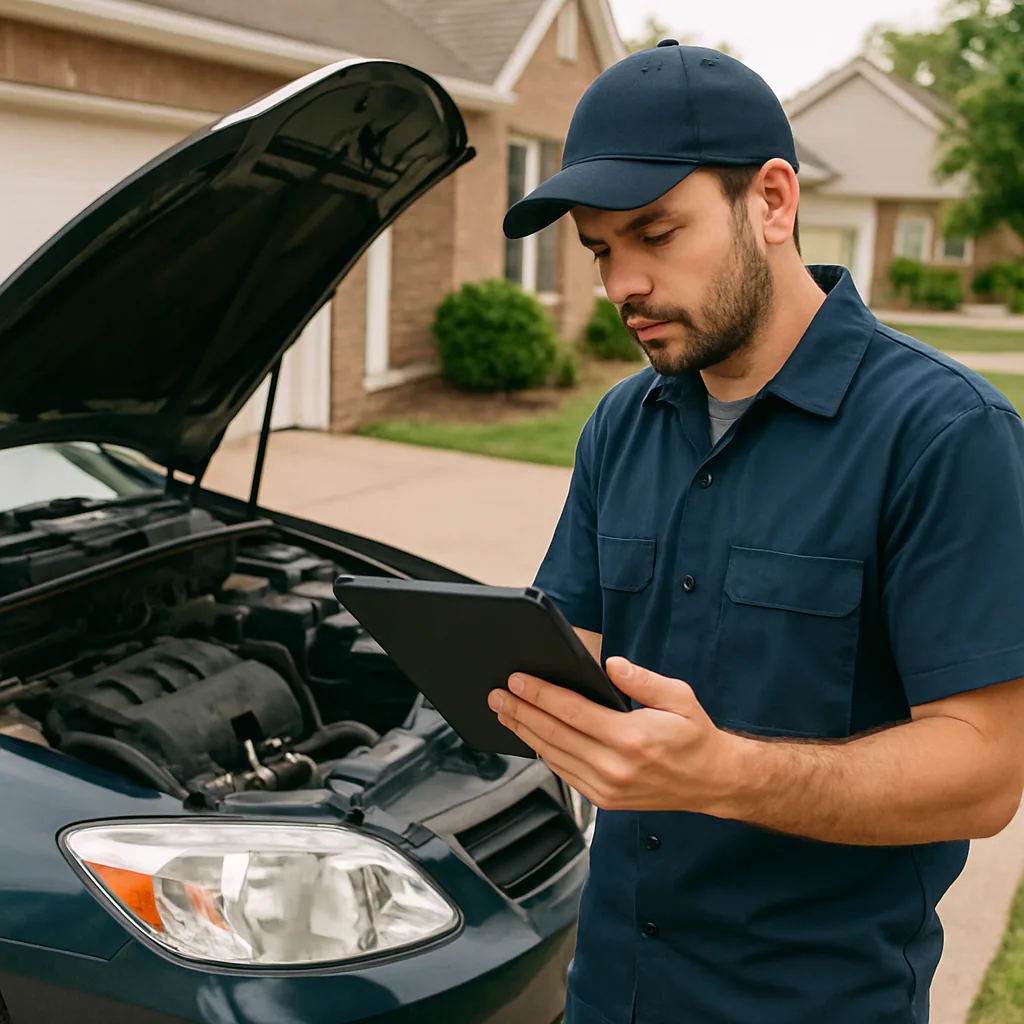
Deciding where to schedule these evaluations often comes down to a mobile mechanic vs. a dealership inspection. A dealership may ask you to drop the vehicle off. A mobile mechanic can do an inspection at your home, office or the seller's location.
Want a price for your car?
Text us what you need. Nearby independent mechanics bid. You see the first bid, and a later one only if it is lower. You pay when the work is done.
Mobile Mechanic Timelines: Understanding the On-Site Inspection
A mobile inspection lets you stay home or at the office while the mechanic comes to you. Instead of spending a Saturday morning at a service center, you hand over the keys and go back to your day.
To plan your day, it helps to separate two things:
- Arrival timing: how soon a mechanic can come depends on availability. You pick a time when you book, and the mechanic confirms it
- The inspection itself: the physical evaluation. How long it takes depends on the vehicle and how deep the inspection goes, and your mechanic confirms the time once the job is booked
Once the technician begins testing, the process is highly efficient because your car is their sole focus. However, even the most convenient driveway appointment can hit a major snag.
Why Inspections Fail and How a 'Failed' Result Doubles Your Total Time
You finally carved out time for your appointment, only to be handed a failed result. A simple oversight, like a dead blinker bulb, can start a loop of scheduling repairs, fixing the issue and sitting through a second evaluation.
A failing result does not always mean paying twice. Some providers can fix common inspection failure points on the spot, such as a worn wiper blade. For larger issues, many programs allow a limited time to return for a re-test. Check your state's rules for the details.
Spend a few minutes preparing for a vehicle safety inspection by checking these quick-fail items in your driveway:
- Burnt-out exterior bulbs (headlights, blinkers, brakes)
- Streaking, worn wipers
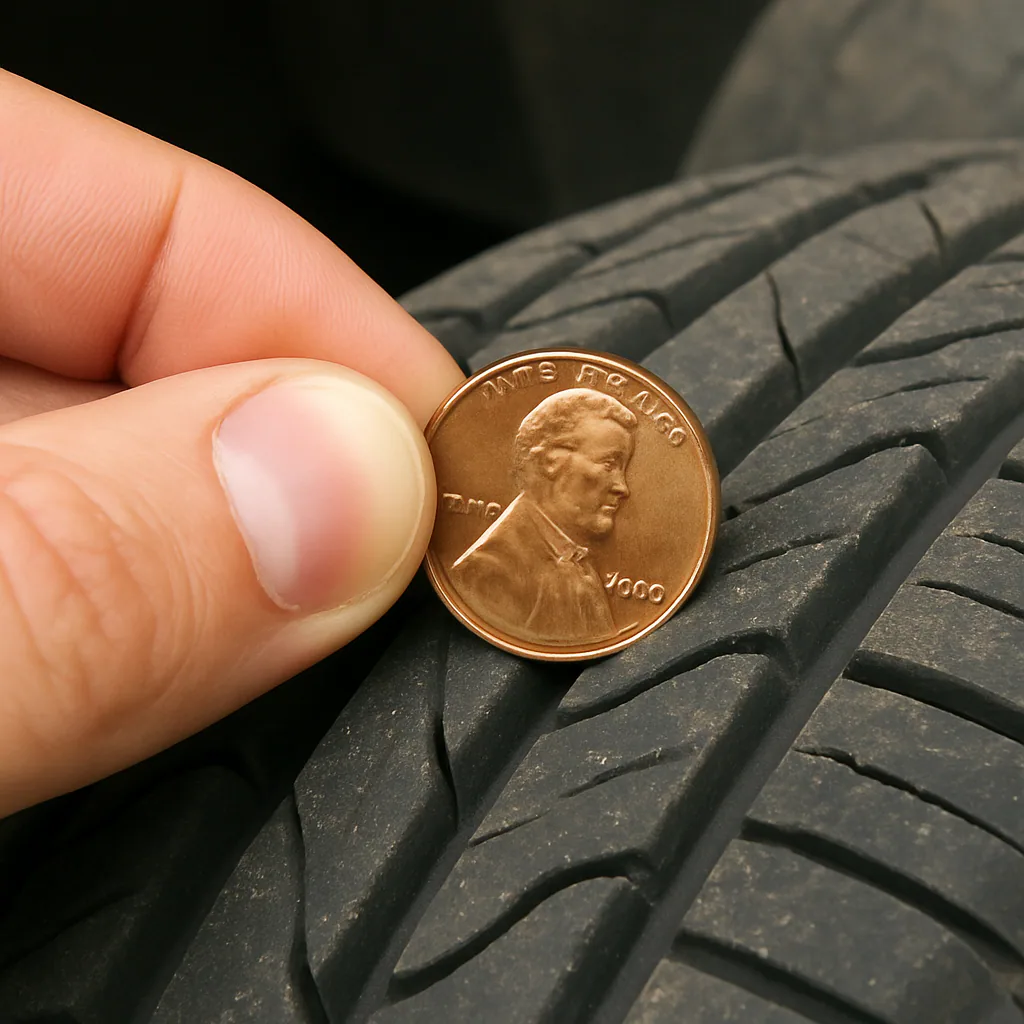
- Low tire tread
- Cracked windshield glass
- Illuminated warning lights
Taking control of these minor details ensures your vehicle passes on the first try. Once you know your car is mechanically ready, optimizing the logistics of the appointment itself can save you even more time.
Booking Tips for a Smoother Inspection
Staring at a line of cars wrapping around the building ruins your afternoon. The physical check rarely eats up your day. The queue does. Drive-ins leave you at the crowd's mercy. Requesting a mobile inspection online lets you choose a time that suits you.
Even with a scheduled slot, your chosen day matters. Drivers practically universally procrastinate, creating severe end-of-month demand spikes that overwhelm technicians and drastically inflate DMV inspection station wait times. These timing tips can help you avoid the busiest times:
- Often quieter: mid-month, mid-week mornings.
- Often quieter: the middle of the month, away from deadlines.
- Often busier: the last few days of a month.
- Often busier: Mondays, after the weekend.
- Often busier: lunch hours.
Ask the provider when it is least busy.
Overdue Inspections: Know Your State's Rules
Some drivers assume there is a grace period after an inspection deadline. Rules differ by state, and in many places the deadline is firm once it passes. Check your state's rules so you do not drive with an overdue inspection.
If life gets unexpectedly busy, facing an overdue sticker means navigating strict legal realities. Book the earliest available slot and keep your confirmation handy. A pending appointment does not change the deadline, so check your state's rules.