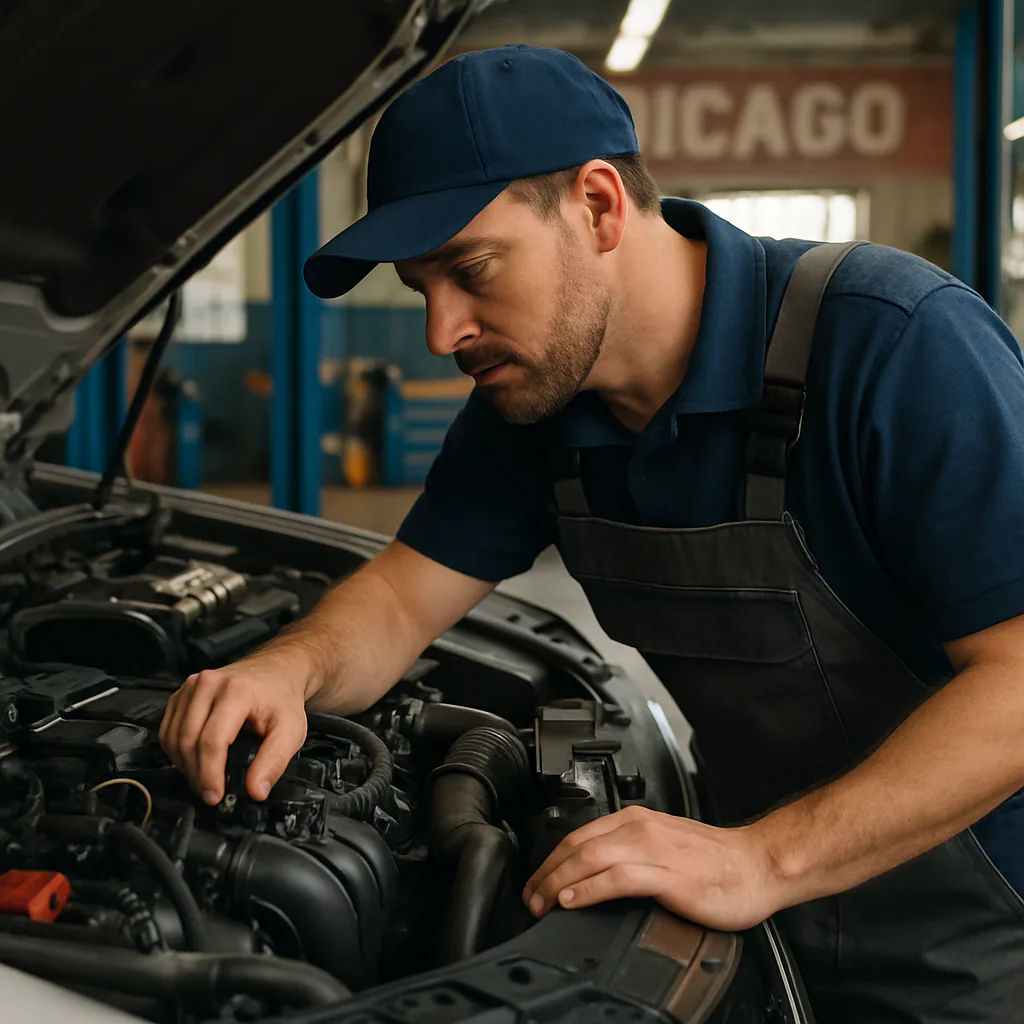
Driving through the bustling streets of Chicago, from the stop-and-go traffic on the Dan Ryan Expressway to the freezing winter commutes along Lake Shore Drive, puts significant stress on your vehicle’s engine. Your car’s internal components are working overtime to regulate temperatures and keep you moving. But when a vital seal fails, you can find yourself stranded with a smoking engine and a hefty repair bill.
If you are dealing with engine troubles, understanding the mechanics of Cracked Head Gaskets: Signs, Causes, and Repair Options in Chicago is essential for any local driver. This comprehensive guide will walk you through everything you need to know about this critical engine component, how to diagnose failure, and what your best options are for getting your vehicle safely back on the road.
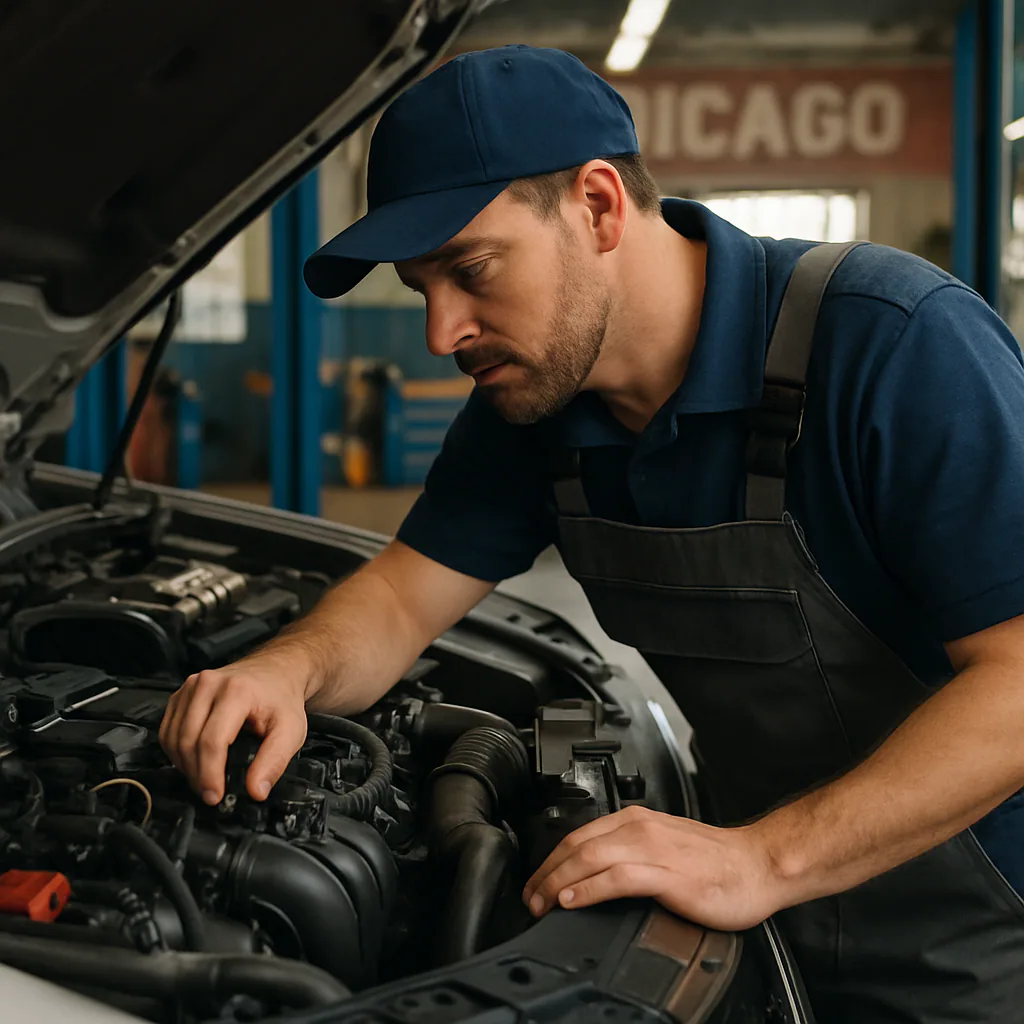
The Role of the Head Gasket in Your Engine
Before diving into the symptoms of a failure, it is helpful to understand how the internal combustion engine cooling system operates. Your vehicle’s engine block contains cylinders where fuel and air ignite to create power. Above this sits the cylinder head, which houses the valves and spark plugs.
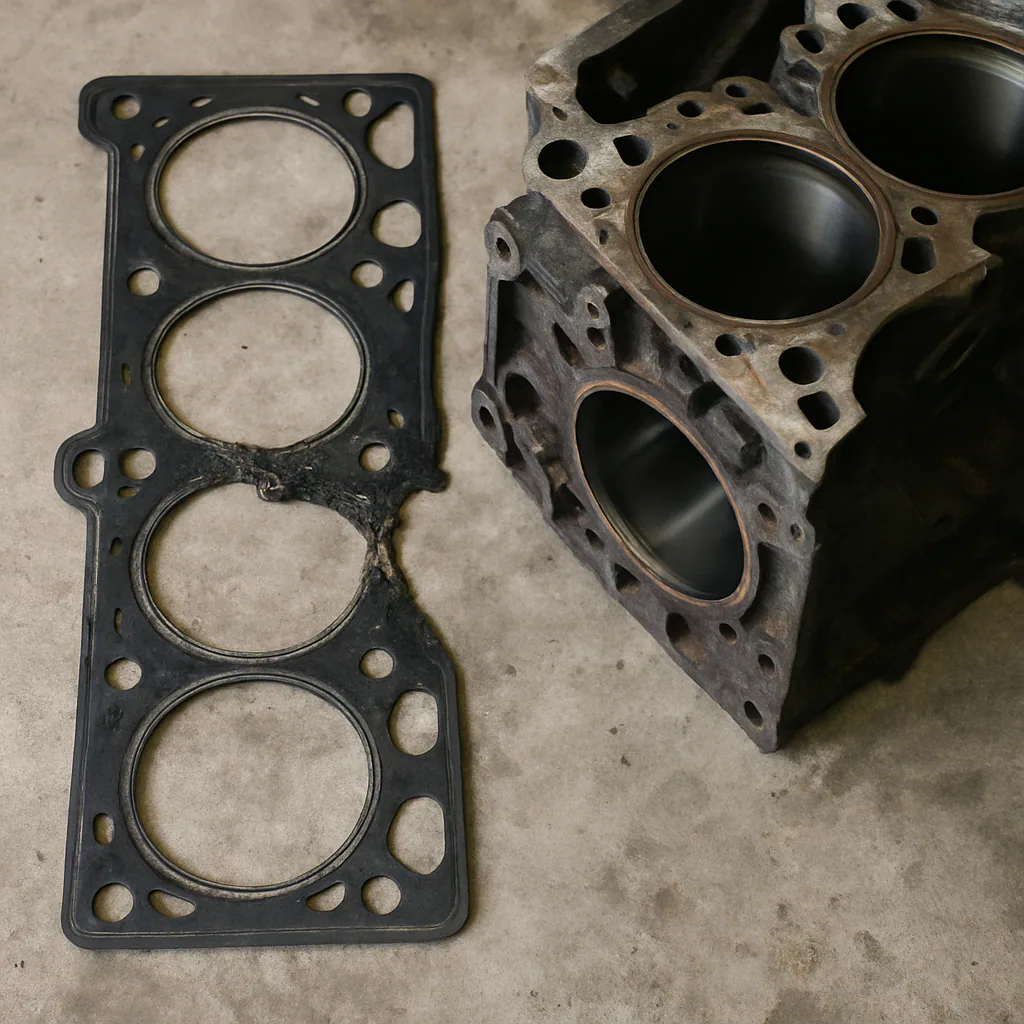
Sandwiched precisely between the engine block and the cylinder head is the head gasket. This thin, highly engineered piece of material has a massive responsibility. It must simultaneously seal three separate things:
- Combustion Gases: Keeping the high-pressure explosions inside the cylinders.
- Engine Coolant: Allowing antifreeze to flow between the block and the head to prevent overheating.
- Engine Oil: Permitting oil to circulate and lubricate the valvetrain.
When this gasket cracks or blows, these three vital elements begin to mix, leading to catastrophic engine failure if not addressed quickly.
Top Signs You Have a Blown Head Gasket
Diagnosing engine issues early can keep a small problem from turning into a big one. If you are experiencing engine trouble, look out for these tell-tale symptoms.
1. The Mystery of Disappearing Coolant
Have you ever wondered, "why is my car losing coolant but not leaking onto the driveway?" This is one of the earliest and most common indicators of a head gasket issue. If the gasket fails between a cooling channel and a cylinder, the engine will secretly consume and burn the coolant during the combustion process, leaving no visible puddles under your car.
2. White Smoke from the Tailpipe
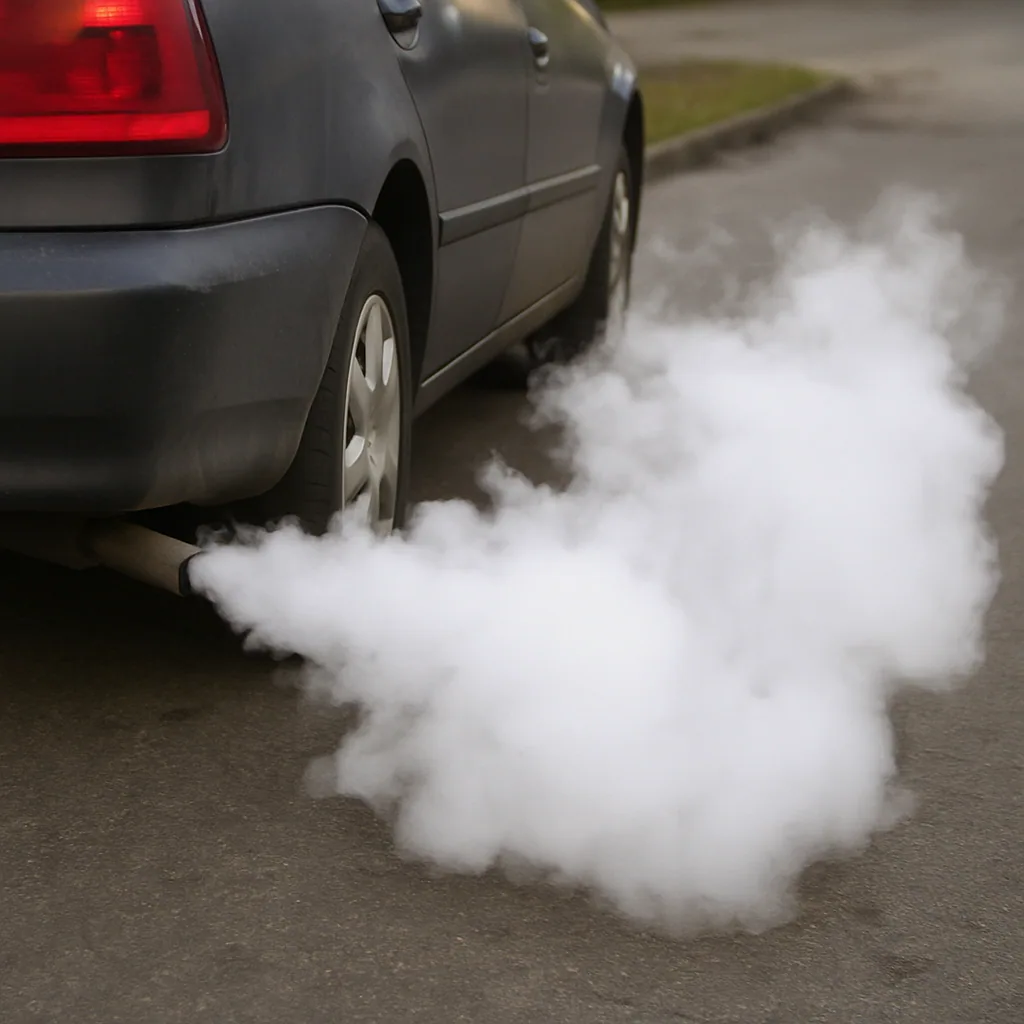
If you notice thick, billowing white smoke from exhaust pipe systems, you have a classic symptom of a cracked gasket. Unlike the thin, wispy vapor you see on cold Chicago mornings, this smoke is dense and often has a distinct, sweet smell. This occurs when the engine burns the internal coolant leaking into the combustion chamber.
3. Contaminated, Milky Engine Oil
One of the most visually shocking signs of internal engine failure is checking your dipstick or oil cap and finding a thick, frothy substance that looks like a fast-food milkshake. Many vehicle owners frantically search for a milky engine oil head gasket fix, but this occurs because coolant and oil are actively mixing inside the engine block. This destroys the oil’s ability to lubricate metal parts, leading to rapid friction damage.
4. Bubbles in the Radiator
If you notice your coolant reservoir looks like a boiling pot of water even when the engine is not fully overheated, you are likely witnessing exhaust gases in radiator symptoms. When the seal breaks, high-pressure combustion gases from the cylinders are forced into the cooling system, creating aggressive bubbling and extreme pressure spikes in the radiator.
5. Persistent Engine Overheating
While a broken water pump or a stuck thermostat can cause a car to run hot, engine overheating causes gasket failure just as often as a failing gasket causes overheating. It is a vicious cycle. If your temperature gauge repeatedly spikes into the red zone despite having a full radiator, a blown head gasket is a highly probable culprit.
Common Causes of Head Gasket Failure
Head gaskets do not usually fail without a reason. Understanding the root causes can help you prevent future breakdowns.
- Extreme Thermal Stress: The most common cause is severe engine overheating. When the engine gets too hot, the metal components expand beyond their design limits, crushing and tearing the gasket.
- Warped Cylinder Heads: If you ignore overheating, the aluminum cylinder head can actually bend out of shape. The signs of a warped cylinder head include an inability to hold a seal even with a brand new gasket, recurring overheating, and misfires.
- Pre-Ignition and Detonation: Often referred to as "engine knock," improper fuel combustion causes extreme pressure spikes in the cylinders, eventually blowing the gasket seal outward.
- Age and Wear: Sometimes, older composite gaskets simply deteriorate over time due to years of heating and cooling cycles, acidic coolant, and general mechanical fatigue.
How to Diagnose a Blown Head Gasket
If you suspect an issue, you might be wondering how to check for blown head gasket symptoms accurately before committing to a major repair. While a professional mechanic should make the final diagnosis, there are a few tests you can perform or request.
The Combustion Leak Test
The most definitive diagnostic tool is an engine block combustion leak test. This test involves placing a special funnel containing blue chemical fluid over the open radiator neck (while the engine is cold, to avoid burns). As the engine runs, any exhaust gases leaking into the cooling system will bubble up through the fluid. If the blue fluid turns yellow or green, it is absolute proof that combustion gases are present in the coolant, confirming a blown gasket.
Cooling System Pressure Test
A mechanic will attach a pump to the radiator and pressurize the cooling system. If the pressure drops steadily but there are no external leaks, it confirms an internal leak, likely at the head gasket.
Cylinder Compression and Leak-Down Tests
By removing the spark plugs and testing the air pressure in each cylinder, a mechanic can pinpoint exactly where the gasket has failed. If two adjacent cylinders have low compression, the gasket has likely blown between them.
Want a price for your car?
Text us what you need. Nearby independent mechanics bid. You see the first bid, and a later one only if it is lower. You pay when the work is done.
The Big Question: Is It Safe to Drive?
A question mechanics hear weekly is, "is it safe to drive with a blown head gasket?" The short, emphatic answer is: No.
Continuing to drive with a compromised head gasket is a gamble that almost always ends in catastrophic engine failure. Because the oil is contaminated with coolant, it loses its viscosity. Driving under these conditions will quickly destroy the engine’s main bearings, camshafts, and cylinder walls. Furthermore, if coolant fills a cylinder while the car is turned off, attempting to start the engine can result in "hydro-lock," which can bend piston rods and physically crack the engine block in half.
If you suspect head gasket failure, pull over safely and call a tow truck. Paying for a tow in Chicago is vastly cheaper than paying for a complete engine replacement.
Repair Options: Sealers vs. Professional Replacement
When faced with a head gasket issue, vehicle owners generally have two paths to consider: chemical sealants or professional mechanical repair.
Head Gasket Sealer vs. Professional Repair
It is tempting to walk into an auto parts store in Chicago and buy a bottle of liquid "mechanic in a bottle." But the debate of head gasket sealer vs professional repair is heavily skewed toward professional repair. Chemical sealers are poured into the radiator and use sodium silicate or similar compounds that harden when exposed to combustion heat.
- The Pros: It is cheap and can occasionally provide a temporary fix to get you home or buy you a few weeks of driving.
- The Cons: Sealers do not fix the root cause. They frequently clog heater cores, radiators, and internal cooling passages, causing even worse overheating problems later. They will not fix a heavily blown gasket or a warped cylinder head.
If you plan on keeping your car, professional head gasket repair is the only reliable, long-term solution.
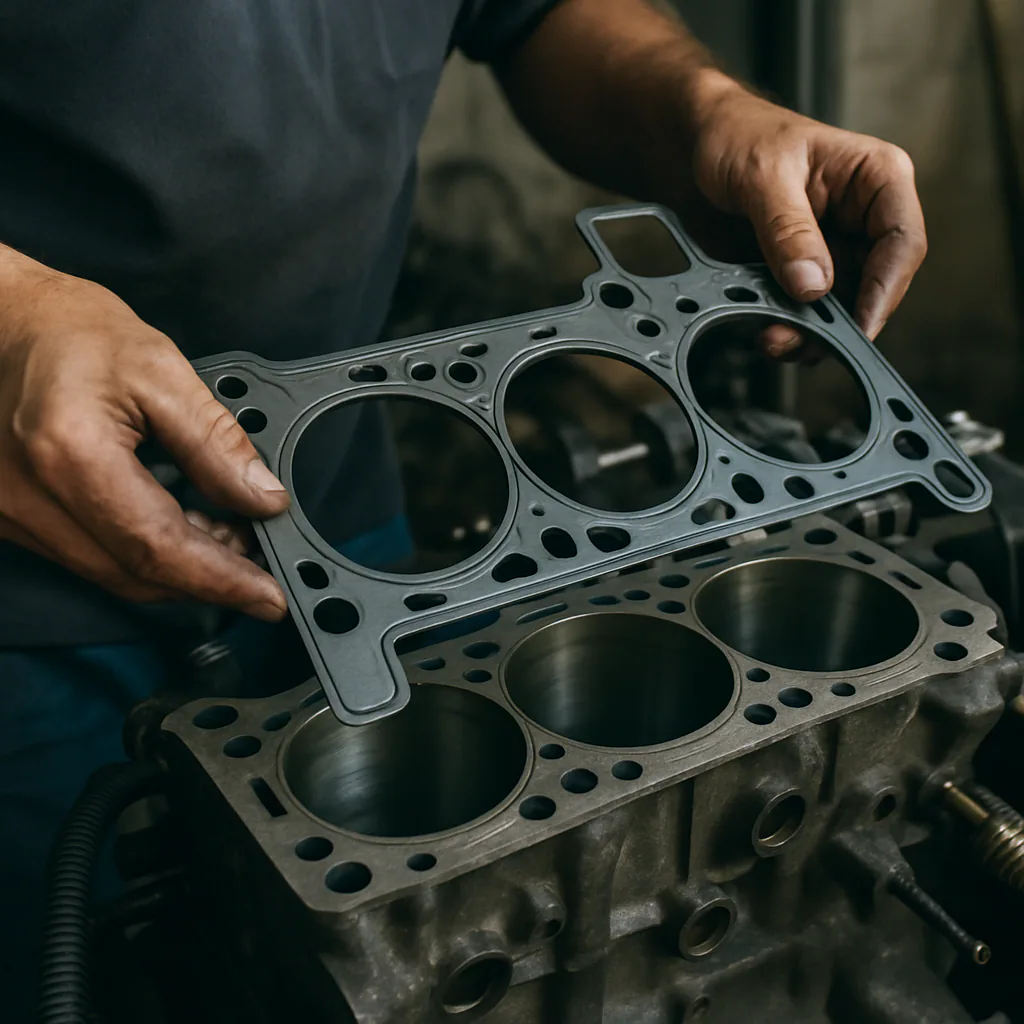
The Anatomy of Professional Head Gasket Replacement
A proper head gasket replacement is a highly labor-intensive process. It requires dismantling the top half of the engine, removing the intake and exhaust manifolds, timing belt or chain, and finally, the cylinder head itself.
Modern repairs usually involve replacing multi-layer steel head gaskets (MLS). MLS gaskets are the industry standard today, made of multiple layers of thin steel coated with a rubber-like elastomer. They are far more durable and resistant to heat than older composite or copper gaskets, offering superior sealing capabilities.
The Importance of Cylinder Head Resurfacing
Simply slapping a new gasket onto the engine block will almost guarantee a repeat failure. Once the mechanic removes the cylinder head, it must be sent to an automotive machine shop.
Here, the cylinder head resurfacing process takes place. A machinist uses highly precise milling equipment to shave a microscopic layer of metal off the bottom of the cylinder head. This ensures the mating surface is perfectly flat. If the engine overheated, the head is likely warped; skipping this resurfacing step means the new MLS gasket will not seal properly, and you will be back in the shop within weeks.
The Cost of Fixing a Head Gasket in Chicago
Let's talk about cost. Because this repair means taking the engine apart, the cost is largely driven by labor rather than the price of the gasket itself.
Head gasket repair is among the more expensive engine repairs, and the price depends on the make and model of the vehicle. Engines with complex layouts, such as V6 or V8 engines with two cylinder heads and two head gaskets, cost more. A diagnosis first tells you whether the head gasket is really the cause.
Understanding Labor Rates
Shop labor rates differ across the Chicago area, and engine work is billed by the hour at a shop's rate. Ask for an itemized estimate before you agree.
A head gasket replacement takes many hours of labor. Add the head gasket set, new head bolts (which stretch during installation and must be replaced), new oil, new coolant and the machine shop fees for resurfacing, and the total quickly adds up. This is usually a shop job, not something a mobile mechanic does in a driveway.
Making the Right Financial Decision
Given the cost, think about the overall condition of your car. If your car is otherwise in good shape, replacing the head gasket can be a wise investment. If it is older, has very high mileage and the repair costs more than the vehicle is worth, you may want to consider replacing the vehicle instead.

Preventative Maintenance: Protecting Your Engine
The best way to deal with a cracked head gasket is to prevent it from happening in the first place. Since overheating is the number one cause of gasket failure, maintaining your cooling system is paramount.
- Flush Your Coolant: Coolant becomes acidic over time, eating away at gaskets and metal components. Have your coolant flushed and replaced according to your manufacturer's recommended schedule.
- Fix Leaks Promptly: If you notice a puddle of green, orange, or pink fluid under your car, get it fixed immediately. A small radiator hose leak can quickly lead to low coolant levels and sudden overheating.
- Monitor the Temperature Gauge: Never ignore your dashboard temperature gauge. If it starts creeping past the halfway mark, turn off your air conditioning and turn on your heater (this draws heat away from the engine). Pull over as soon as it is safe to do so.
- Replace Water Pumps and Thermostats: These components do not last forever. Replacing an inexpensive thermostat on schedule can help you avoid overheating and a head gasket repair.
Start With a Diagnosis
If you suspect a head gasket problem, a mobile mechanic can run diagnostics where your car is parked, such as a cooling system pressure test, before you commit to a major repair. Book an inspection if you are not sure what is wrong. The fee is credited toward the repair if you fix it with us. If the mechanic cannot diagnose the problem, you get a full refund. Get free quotes or text (219) 533-8844.